

From Wood to Digital: The Artistic Evolution of Chess
of reading
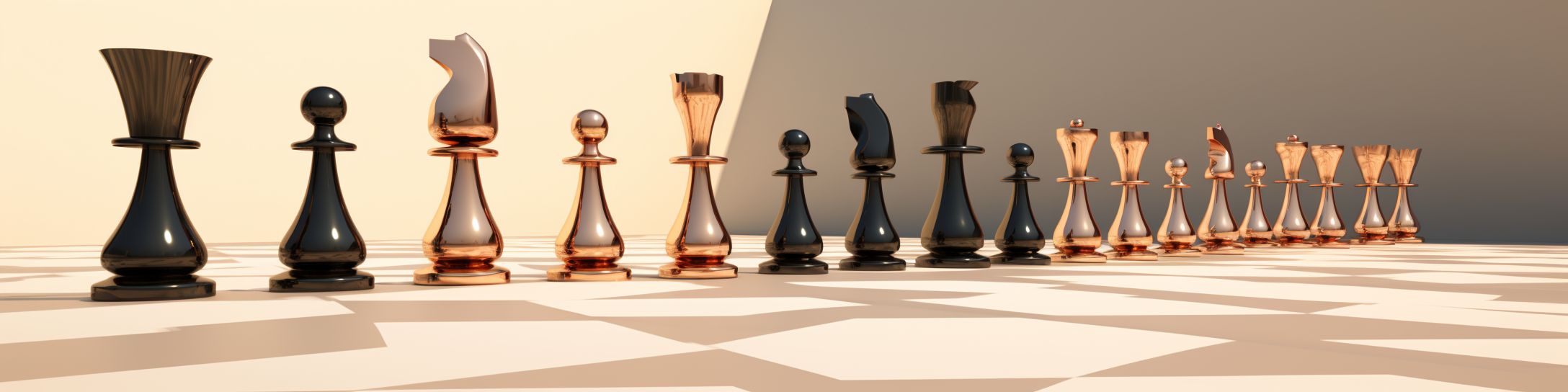
The evolution of chessboards in the 20th century
The 20th century was a pivotal era for the world of chess, both in terms of the evolution of the game itself and the evolution of chessboards and pieces. The design of chessboards and pieces moved from a traditional aesthetic to a much more diverse palette, thanks in part to advances in technology and the influence of modernism in art and design.
Traditional chessboards redesigned
New shapes and materials were introduced in the 20th century to reinterpret traditional chessboards and their pieces. The simplification of forms, inspired by the Modern Movement, resulted in chess pieces devoid of superfluous ornamental details, highlighting their function rather than their decoration.
The artistic chessboard
In the 20th century, chessboards became an artistic medium, with artists such as Marcel Duchamp and Salvador Dalí creating chess pieces and chessboards as art. These pieces add an extra dimension to the game—not only are they designed for playing chess, but they are also works of art in their own right.
Digital chessboards
The advent of digital technology brought a new direction to the evolution of chess in the 20th century. Digital chessboards allowed players to compete without the need for physical presence, and they also paved the way for online chess, which has taken the chess world by storm in the 21st century.
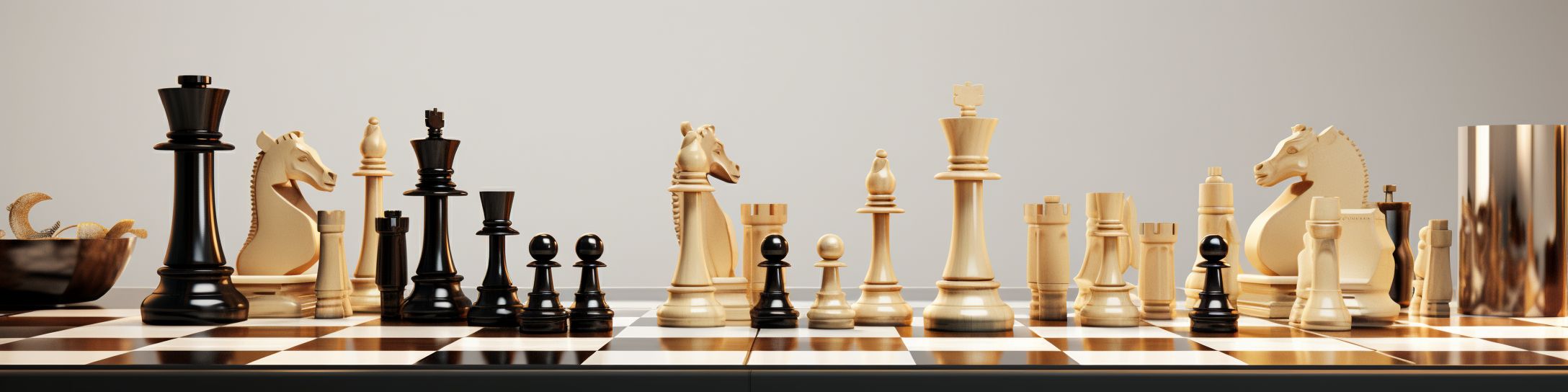
The impact of modern design on chess pieces in the 20th century
Modern design profoundly influenced the form and style of chess pieces in the 20th century, opening the art of the game to diverse and innovative interpretations. Over the decades, various artistic influences have shaped the face of chess, ranging from minimalist designs to more avant-garde representations.
The emergence of minimalist design
At the beginning of the 20th century, chess design began to move away from the detailed and complex descriptions of traditional pieces towards cleaner, more minimalist forms. Pieces began to be designed to reflect their function rather than their title. It was during this period that the famous chess bauplan emerged, with its simplified , modernist shapes, which quickly became the standard for 20th-century chess pieces.
Avant-garde design: a 20th-century brand
Modern chess design is not limited to minimalism. Throughout the 20th century, a multitude of designers reinterpreted the game of chess in their own way. Some avant-garde interpretations of chess pieces have become collector's items, works of art in their own right. This reflects the enduring fascination with this ancient game, and how it continues to inspire and influence contemporary art movements.
The impact of digital technologies on chess design
As the 20th century progressed, the influence of digital technology began to be felt in chess. Digital versions of the game began to appear, allowing players to play anywhere, anytime. Digital chess pieces were no longer limited by the material constraints of the physical world, opening the door to an infinite variety of chess piece designs.
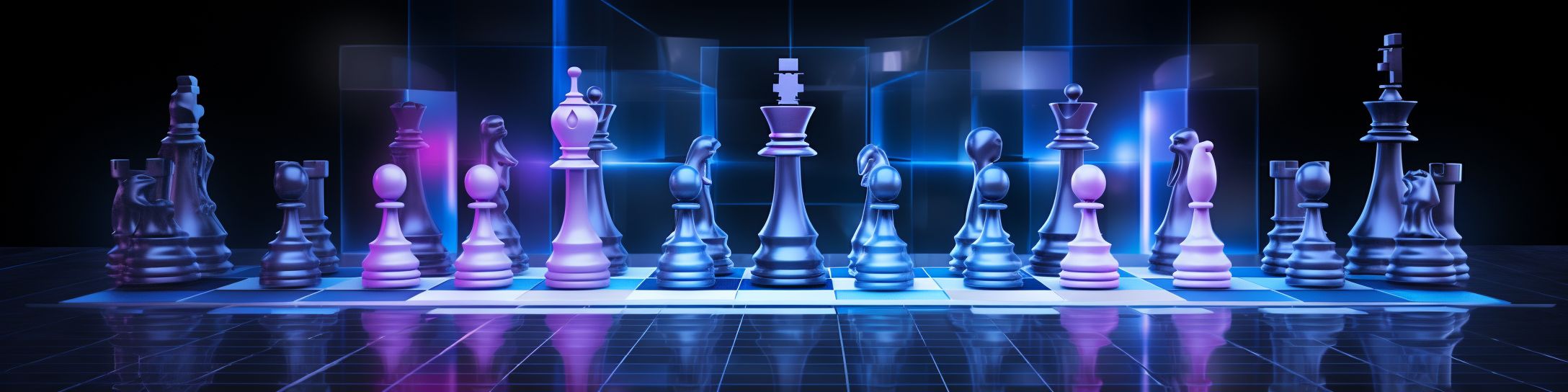
21st Century Innovations and Trends for Chessboards
The 21st century has propelled chessboards into a new era of design and innovation. In this contemporary world, where technology and art are increasingly integrated, we are witnessing a notable metamorphosis of traditional chessboards.
Digital chessboards and online games
First, the emergence of digital technology has revolutionized the way we play chess. Indeed, digital chessboards and online games have now become commonplace. These not only offer a new way to play, but have also resulted in a more minimalist and contemporary chessboard design, with a user-friendly interface that facilitates online games.
Artistic adaptations of chessboards
Next, contemporary art found its place in the design of chessboards and pieces. Artistic adaptations of the boards and pieces introduced a diversity of shapes and colors into the traditionally black and white world of chess. Artists from all over the world expressed their creativity through these adaptations, transforming chessboards into true works of art.
Themed chess sets and limited collections
Finally, the 21st century has also seen the rise of themed chess sets and limited edition collections. Whether to pay homage to a popular franchise, celebrate a historical event, or simply as a collector's item, these unique chess sets feature creative designs and meticulously crafted pieces to inspire admiration.
Thus, from digital technology to art, the 21st century has demonstrated imagination in constantly reinventing the design of chessboards and chess pieces. And who knows what the future holds?
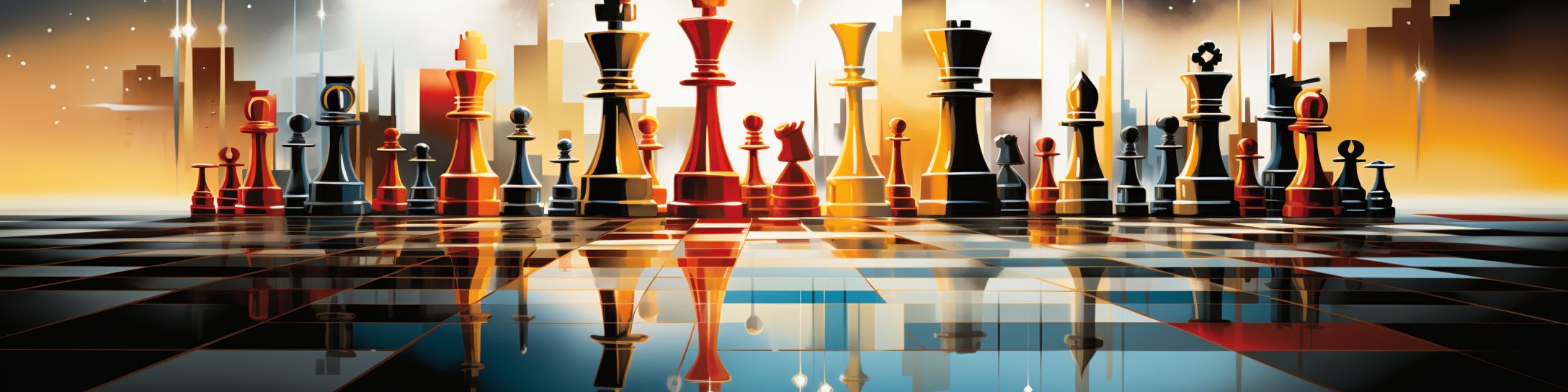
The influence of contemporary art on chess pieces in the 21st century
While the 20th century was a time of significant creative transitions, the 21st century has seen contemporary art significantly permeate the world of chess pieces. The impact is such that it has become common to find chess pieces reflecting dominant contemporary art trends, enriching the playing experience while offering a highly aesthetic appeal.
Art as a source of inspiration
Chess pieces in the 21st century no longer simply display a classical or modern style. They are now frequently inspired by various forms of contemporary art. Artists use diverse and innovative materials, such as resin, glass, or recycled metal, while respecting traditional forms, to create unique pieces whose originality fits perfectly into a contemporary art collection.
Digital chess pieces: towards total immersion
With the advent of augmented and virtual reality technologies, the chess pieces in the digital version enhance immersion in the game. The design of the pieces, inspired by contemporary art, combines with virtual materials to offer stunning realism and aesthetics, making chess games as captivating visually as they are intellectually.
Artistic chess sets: from game to collector's item
More than ever, chessboards and chess pieces are now considered works of art in their own right. Sculpted, painted, or modeled by contemporary artists, chess pieces have evolved into prized collector's items. Their value now transcends the realm of the game, rising to the level of art itself, reflecting the growing influence of contemporary art on the world of chess in the 21st century.

Digital versions of chess: a major turning point
At the dawn of the new millennium, the incursion of digital technology into the traditional world of chess has given rise to striking transformations.
The introduction of digital chessboards
Once reserved for parks and quiet living rooms, chess has taken on a new dimension with the emergence of digital chessboards. These platforms have made chess accessible to everyone, anytime, anywhere in the world, fostering unprecedented interaction among chess enthusiasts.
Technological improvements in chess pieces
Digitization has also facilitated the redefinition of chess pieces. Whether in 3D form in video games or digital adaptations for online platforms, these modern versions have appealed to a wider audience while preserving the charm and elegance of the classic game.
The emergence of digital artistic adaptations
Beyond functionality and practicality, the digital age has seen the emergence of remarkable artistic adaptations. Artists have leveraged this technology to create unique interpretations of chessboards and chess pieces, enriching the visual landscape of digital chess while offering players a new aesthetic experience.

Artistic adaptations of chessboards and pieces
Art plays a crucial role in our perception of chess. It is therefore not surprising that artistic adaptations of chessboards and pieces have become a distinct trend during the 20th and 21st centuries.
Chess pieces: from simple tool to art object
Traditionally, chess pieces were designed solely for functionality. However, with the rise of artistic expression and the desire for individuality, designers began to create chess pieces that were not only usable but also true works of art. Today, we have a plethora of designs, from minimalist pieces to abstract forms, showcasing the talent and ingenuity of artists.
Chessboards: a fusion of functionality and art
Similarly, chessboards have undergone an artistic evolution. They are no longer simply game boards, but veritable art installations. They have become canvases on which artists express their creativity with unique designs, incorporating contemporary and modern motifs. These chessboards offer a touch of sophistication and elegance without compromising their functional layout.
Characteristics of these artistic adaptations
These artistic adaptations vary from artist to artist. Many focus on incorporating contemporary motifs and using vibrant colors to bring the pieces and chessboards to life. Others concentrate on creating more minimalist pieces, highlighting the beauty and simplicity of the game itself. In all cases, these creations bear witness to the evolution of chessboards and pieces over time.
Once you've immersed yourself in the fascinating journey of chess, from its traditional form to its digital incarnation, it's natural to wonder about the roots and very essence of the pieces that bring this game to life. To enrich your knowledge, delve into the origins of chess pieces . This article will reveal the secrets and history of each piece, illuminating their significance and symbolism throughout the ages.
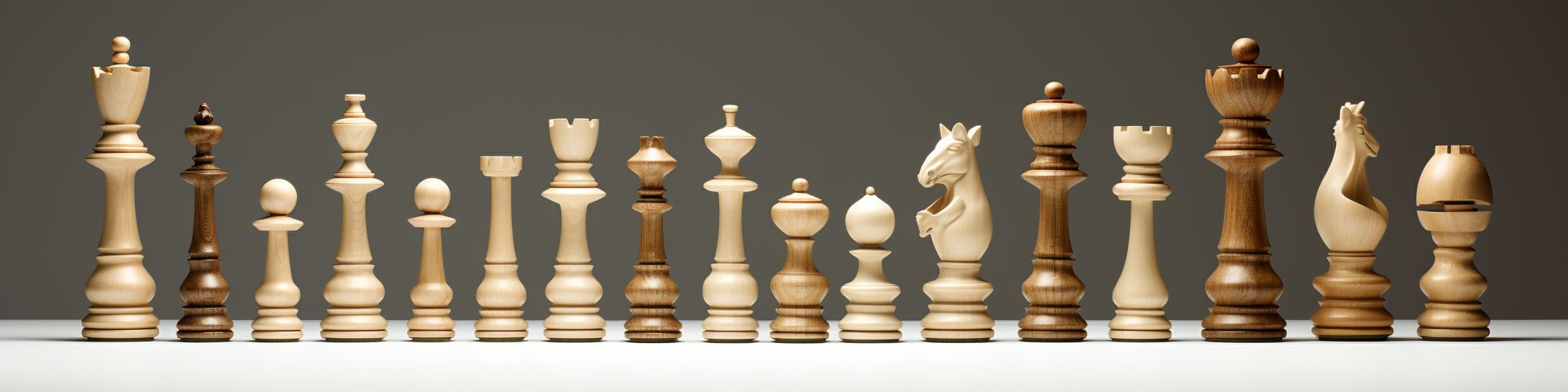
How the history of failure influenced its current design.
For centuries, chess has served as a mirror to our culture and history, the design of its pieces and boards reflecting the evolution of our society. The major changes of the 20th and 21st centuries have undoubtedly left their mark, profoundly and uniquely influencing chess design.
The emancipation from traditional forms
The rise of modern design in the 20th century paved the way for a liberation from traditional forms . Simplified and stylized pieces gave birth to a new aesthetic, less literal and more abstract. Royal and aristocratic symbols gave way to clean, modernist forms, imbued with the creative energy of the era.
The digital revolution: from the physical chessboard to the virtual space
The 21st century marks a new era with the inevitable advent of the digital revolution . Chess, once confined to the static representation of the chessboard, is liberated in the virtual space. Animated and interactive 3D chessboards and pieces are emerging to offer an immersive and dynamic gaming experience.
Contemporary chess: the fusion of art and design
Today, the artistic interpretation of chess has never been so varied and rich. Chessboards and pieces are transformed into works of art, blending contemporary design and artistic expression. Their designs go beyond the game itself to represent ideas, tell stories, and reflect the diversity of our modern world.
Following the artistic thread of chessboards, from traditional wood to digitalization, a question arises: where does this universal passion for chess come from? To answer this question, explore the history of chess . This story, which spans ages and continents, will reveal the foundational chapters of this ancient game.