

A history of chess through the ages and across continents
of reading

Origins of chess in Asia
Chess, a complex and fascinating strategy game, has deep roots in Asia, stretching back millennia.
The emergence of Chaturanga
The earliest ancestors of chess, known as Chaturanga , date back to ancient India in the 6th century. Chaturanga was a game played on an 8x8 board, similar to the modern chessboard. However, it had added complexity due to its astral aspect and was often played by four players rather than two.
The influence of the Tang dynasty
Chaturanga migrated to China between the 7th and 10th centuries during the Tang Dynasty, where it evolved into the game Xiangqi . Xiangqi is distinguished by the addition of the river, a specific feature of the board that results in a unique playing strategy.
Arrival in Japan: Shogi
Chess also made its way to Japan, where it was adapted to become Shogi , often called Japanese chess. Shogi has several notable differences from the modern chessboard, including the ability to reintroduce captured pieces into the game, adding another dimension to the strategy.
Expansion to the west: Shatranj
In the 7th century, the game was introduced to the Persian Empire where it was called Shatranj . Shatranj modified several rules of Chaturanga and added pieces that were unknown in the original, thus foreshadowing the modern chessboard.
Thus, although the game of chess we know and love today has changed a great deal since its Asian origins, the influence of those ancient cultures is still evident in many aspects of the game.
Introduction of chess to Europe in the Middle Ages
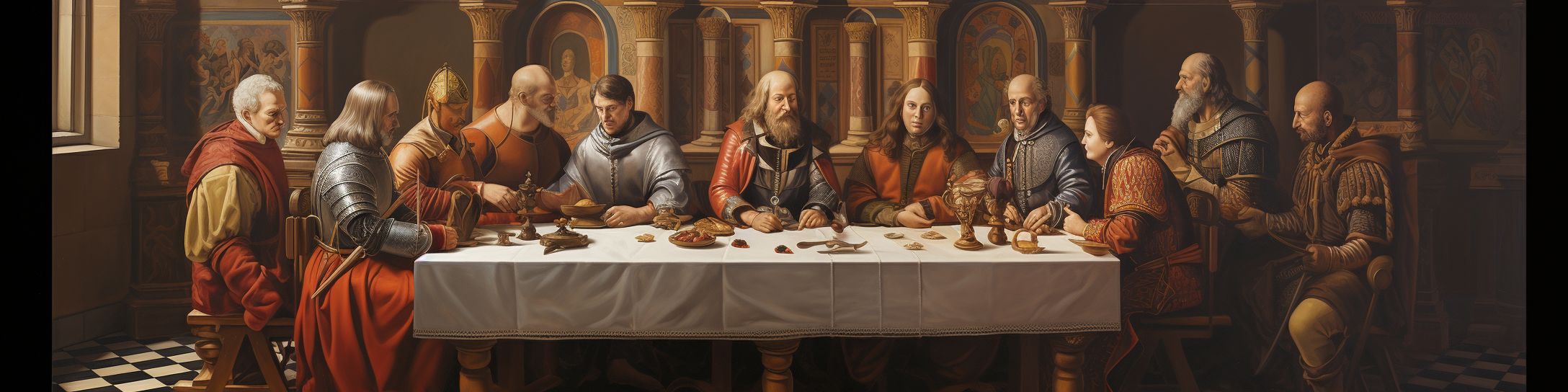
The transmission of chess from Asia to Europe is a fascinating story marked by cultural, strategic, and stylistic shifts. While in the East the game was often approached as an art form and a puzzle, the European perception evolved to see it as a simulation of war with very specific rules.
From global to European styles
Chess was introduced to Europe around the 10th century via trade routes and military campaigns. Initially known as Arab chess, it slowly evolved to adopt European characteristics:
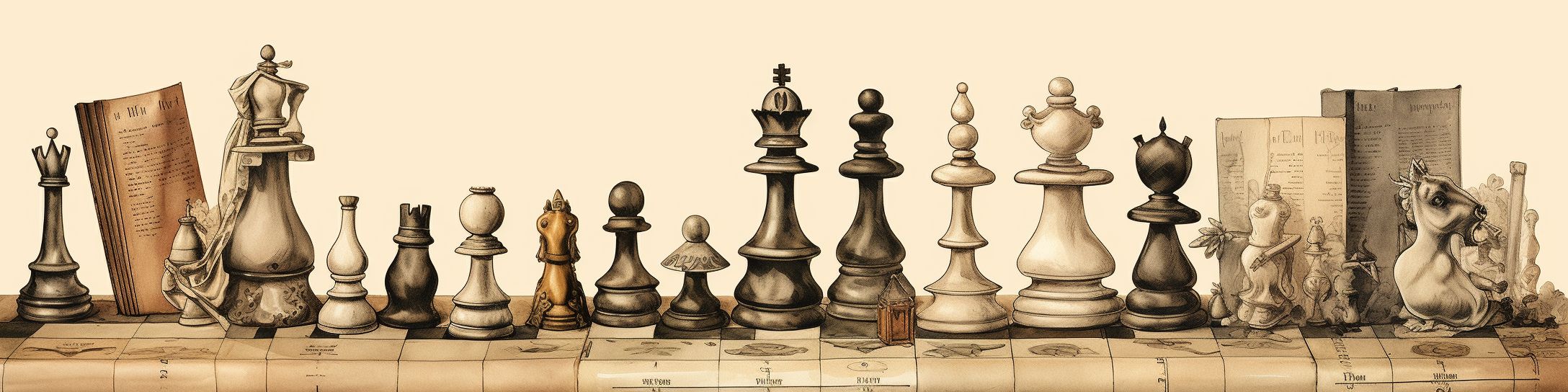
- Evolution of the pieces: the original pieces, representing elements of the army such as infantry, cavalry, elephants and chariots, were gradually modified to become the pawns, knights, bishops and rooks we know today.
- Modernization of the rules: where the movements of each piece have been standardized as we know them today, which has made the game more dynamic and strategic.
Influence on culture and society
Medieval European chess influenced a myriad of other fields. It found its place in royal courts, educational institutions, and even in the realms of literature, philosophy, and military strategy. It was seen not only as a game, but also as a reflection on wisdom , strategy , and tactics in life.
The influence of the Churches
It is also worth noting that the Catholic Church played a significant role in the spread and evolution of chess in Europe. Despite a love-hate relationship with the game—sometimes condemning it as a game of chance, while at other times using it as a pedagogical tool—the Church was largely responsible for integrating chess into the cultural fabric of medieval Europe.
The evolution of chess through the centuries
After the Middle Ages, the game continued to develop and evolve. Thus, in the 15th century, during the Renaissance, modern chess, as we know it today, emerged. With the addition of the queen and bishop moves, chess became the sophisticated game of strategy and intelligence that we know and enjoy today.
The evolution of the rules of chess
As the game of chess made its way across continents, the rules continued to evolve, shaped by the diverse cultures it encountered.
Developments in Asia
In the early Asian versions of the game, there were significant differences compared to the current rules. For example, the movement of the pieces was limited to a single square and could only be forwards.
Arrival in Europe and transformation of the rules
When chess arrived in Europe, the rules began to change to adapt to the cultural and strategic trends of the time. The two-square advance was introduced to make the game more dynamic. Similarly, check to the king was implemented to ensure the monarch's safety, giving it major strategic importance.
The Fool and the Queen's Move
One of the most significant changes was the expansion of the bishop and queen's movement. This not only manifested the evolution of the rules of the game but also reflected the escalation of royal and clerical power in European society.
Global standardization of rules
Over the centuries, the standardization of chess rules became necessary. Today, the game as we know it is governed by the rules established by the International Chess Federation (FIDE), guaranteeing a universal language for all chess players worldwide.
Constant innovation
Despite its long history, chess continues to evolve. Chess960, a variant invented by world champion Bobby Fischer, is a striking example. This demonstrates that chess, despite its apparent rigidity, is a living organism that is constantly developing, always ready to adapt to new ideas and strategies .
Chess during the Renaissance
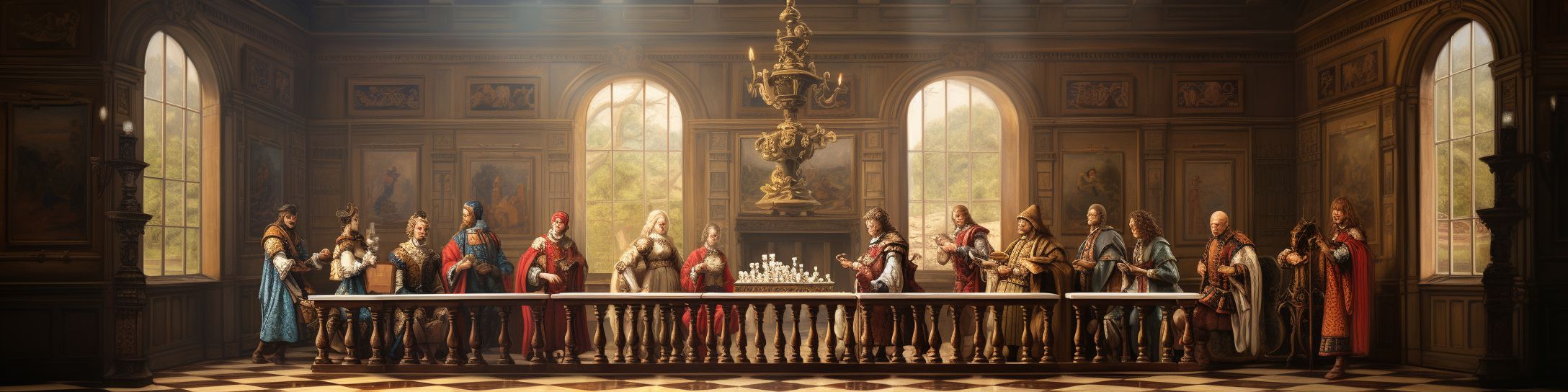
The Renaissance, an era of cultural and intellectual innovation, was also a pivotal moment in the evolution of chess. During this period, the game underwent major transformations that shaped the game we know today.
Modernizing the rules of chess
It was during the Renaissance that the rules of chess were modernized to resemble their current form. The moves of the queen and bishop were expanded, their capabilities becoming far more dynamic than in previous versions of the game. This change radically influenced the strategic nature of chess, marking a true revolution in the game's history.
Failures in literature and art
The Renaissance was also a period in which chess gained significant visibility in literature and art. The game became a symbol of strategy and intellect, and was often presented as a metaphor in literary works. Simultaneously, chess was also depicted in pictorial art, testifying to its deep integration into the culture and society of the time.
The role of chess in society
During the Renaissance, chess began to be seen as a means of education for the upper classes and was played among the nobility as well as scholars. The game gradually moved beyond the courts and became more accessible to the common people, marking the beginning of its universal status that we celebrate today.

Development of chess in the Americas
And so the game of chess crossed the ocean, leaving its mark on the New World. The arrival of chess on the American continent occurred under fascinating circumstances, colored by the encounter between diverse cultures and social practices.
The arrival of chess in America
The history of chess in the Americas begins with the arrival of European colonizers. These intrepid travelers brought the game of chess with them, which began to spread slowly across the continent. This development was facilitated by factors such as the rapid spread of European lifestyles and the acculturation of Indigenous peoples.
Expansion and adaptation of the game in the United States
In the 19th century, chess became firmly established in the cultural fabric of the United States. The influence of immigrants, primarily from Eastern Europe, played a crucial role in this phenomenon. Numerous local adaptations of the game also emerged, reflecting the multicultural nature of the American nation.
Impact of chess on popular culture
The game of chess has also had a significant impact on American popular culture, particularly during the Cold War. Chess matches between the United States and the Soviet Union captured the world's attention, crystallizing the political tensions of the time in each player's moves.
Chess today in America
Today, chess continues to play a significant role in American culture and education. Many schools offer chess classes as part of their curriculum, and the game is recognized for its numerous benefits to cognitive development. The game's popularity has been revived by popular works such as "The Queen's Gambit," which have rekindled public interest in the art of chess strategy.
African chess, an ancient and little-known game
In the shadow of chess history, Africa has been home to intriguing variants of this game that deserve special attention.
The ancestral roots of chess in Africa
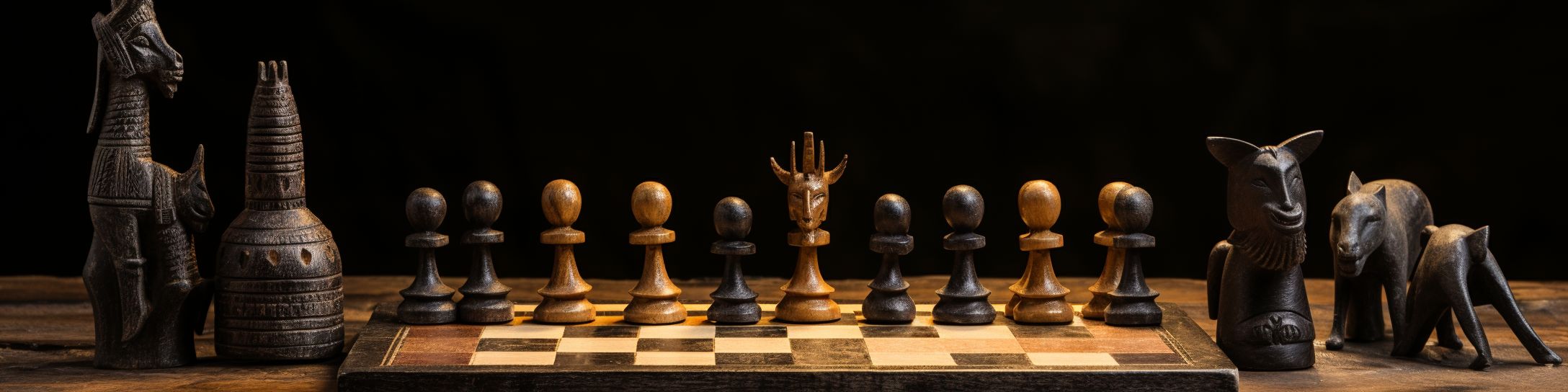
This ancient continent has always been a true melting pot of cultures, languages, and traditions. As elsewhere, board games have played a crucial role in social interaction and oral traditions. Among them, the early forms of chess found fertile ground to develop.
Mancala, the African ancestor of chess
Mancala is perhaps the best-known of African strategy games. Originating in sub-Saharan Africa, it is played using beads or seeds that are moved into holes carved in wood or stone. Although the rules vary from region to region, Mancala requires strategic thinking and advance planning, qualities also necessary for chess.
Development and impact of chess in Africa
With the arrival of Arab and European travelers, the game of chess as we know it today began to spread across the African continent. It was incorporated into local cultures, producing unique variants with distinct rules and designs.
Chess today in Africa
Today, chess has become an integral part of African culture, with champions emerging from different regions of the continent. The game continues to be a valuable educational tool, not only teaching strategy but also promoting the importance of fair play and mutual respect.

The impact of chess in the Muslim world
Spread by commercial and political confluences, the game of chess flourished in the cultural complexity of the Muslim world.
Chess as an educational tool
In Muslim lands, chess was quickly seen as a way to develop mental acuity and strategic decision-making. Over time, it became part of the curriculum in many Islamic schools, not only for its entertainment value but also for its educational value.
Adaptation and evolution of the rules
In the Muslim world, chess was not a static game. Under the influence of local culture and historical context, the rules were modified, giving rise to new versions of the game, such as Shatranj. This variant laid the foundations for the modern game by introducing pawns and the specific movement of pieces that we know today.
Cultural influence of chess in art and literature
Beyond their playful aspect, chess has also established itself as a prominent theme in the art and literature of the Muslim world. Indeed, numerous Persian and Arabic narratives are replete with references to the game of chess, often symbolizing political struggle or the deployment of sophisticated strategies. Furthermore, chessboards and chess pieces have been a source of inspiration for artisans, offering endless possibilities in terms of design and decoration.
Preserving the game's historical legacy
Even today, the undeniable impact of chess in the Muslim world can be observed. Its legacy resonates through museums that preserve historical chess artifacts, highlighting the importance of this game in the evolution of local culture.

Failures in Oceania, a late encounter
By sailing to Oceania, chess was introduced relatively late, where pre-existing interactions with the rest of the world were more limited.
The journey of chess in Oceania
Unlike on other continents, chess crossed the vast Pacific primarily thanks to European colonizers and missionaries in the 18th century. It was through them that chess culture became woven into the rich cultural tapestry of Oceania.
Australia's role in popularizing chess
Australia played a leading role in spreading chess throughout Oceania. Over time, the enthusiasm for chess intensified, to the point where today national and international chess championships are held across the continent.
Adapting the game to Oceanic cultures
Oceanic cultures adopted this game of foreign origin and adapted it to their traditions, giving rise to new variations. Chess thus became an integral part of the cultural fabric of Oceania, demonstrating the game's ability to transcend cultures and eras.
The standardization of chess in the 19th century
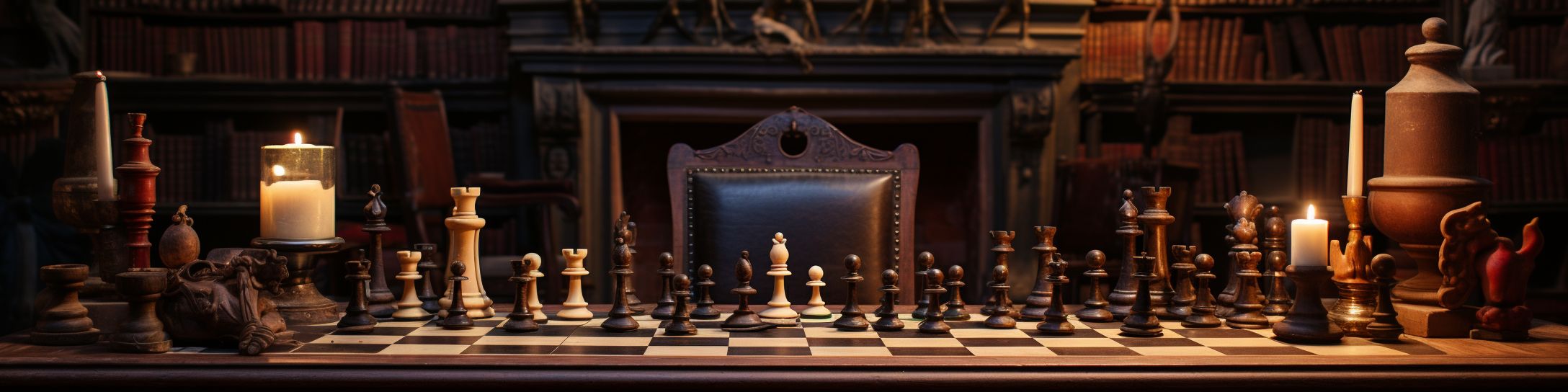
As the 19th century unfolded, a central element would definitively mark the history of chess: its standardization. Already deeply rooted in many societies across the globe, chess entered an era of codification and organization.
The unification of the rules of the game
As chess spread geographically, it adopted different configurations and rules specific to each region. However, in the 19th century, a significant effort was made to unify these varied rules and create a universally accepted standard. This not only facilitated international competitions but also contributed to the game's popularity, allowing people from different cultures to play according to the same rules.
The birth of chess tournaments
The standardization of the rules also paved the way for the organization of the first international chess tournaments. Grandmasters from different regions could now compete against each other, testing their skills and strategies in a competitive setting. The first of these tournaments took place in London in 1851, marking the beginning of a tradition that continues to this day with prestigious events such as the World Chess Championship.
The establishment of chess federations
To oversee these tournaments and promote the game on a wider scale, chess federations began to emerge. These organizations played a key role in managing standardized rules, organizing competitions, and promoting the game through education and training campaigns. The best known of these is undoubtedly the International Chess Federation (FIDE), founded in 1924, which continues to regulate the game and sanction tournaments worldwide.
Conclusion
Thus, the 19th century can be considered a major turning point in the history of chess. The standardization of rules, the birth of international tournaments, and the establishment of federations contributed to shaping the game as we know it today, a game universally recognized and appreciated for its strategic depth and intellectual refinement.
As the game of chess spread across continents and cultures, the appearance of the pieces and boards underwent numerous transformations, culminating in the universal adoption of the famous Staunton design. To learn more about this fascinating evolution, explore our in-depth articles on the evolution of chess piece and board design .
The Great Historical Figures of Chess
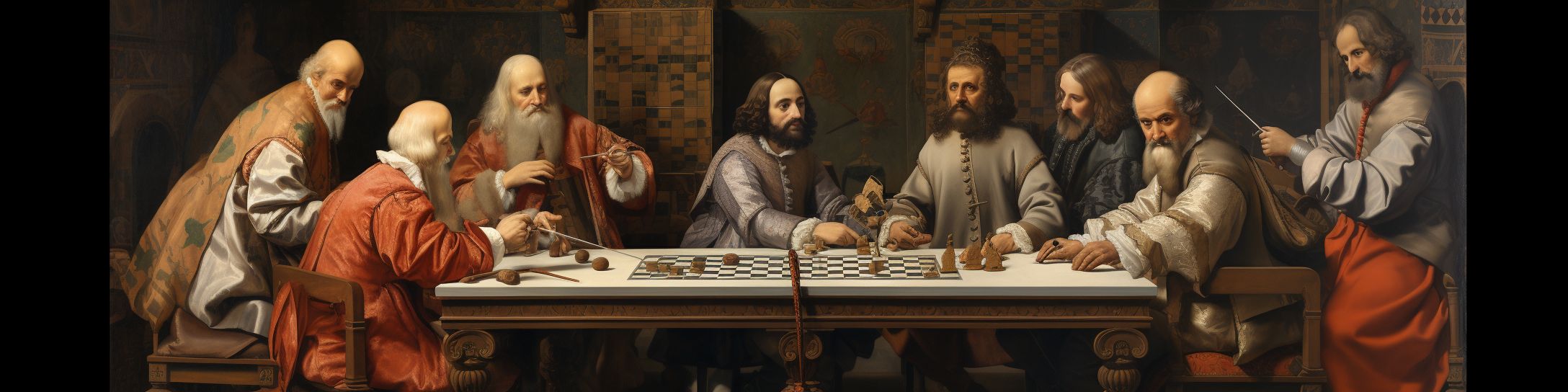
In the chronological flow of chess history, a few prominent figures stand out. It is these individuals who, with their unique touch on the game, shaped the game as we know it today.
Wilhelm Steinitz - The first world champion
Although chess has existed for centuries, the official title of "World Champion" was only created at the end of the 19th century. The first to claim it was the Austrian Wilhelm Steinitz , who revolutionized our understanding of the game with his more strategic and positional approach.
José Capablanca - The Cuban Prodigy
Hailing from the Americas, José Capablanca de Cuba was known for his brilliant intuition and natural mastery of the game. His style has been described as simple and pure, making him one of the greatest players of all time.
Bobby Fischer - The man who beat the Soviets
In the midst of the Cold War, Bobby Fischer , an American child prodigy, won the World Championship title against Boris Spassky, shaking Soviet dominance in the chess world and sparking unprecedented interest in the game in the United States.
Garry Kasparov and Anatoly Karpov - Masters of the Computer Age
In the modern world of chess, two names stand out: Garry Kasparov and Anatoly Karpov . These two Soviets dominated the game in the 1980s and 1990s, at a time when computers were beginning to influence the way chess was studied and played.
Magnus Carlsen - The current World Champion
In contemporary chess trends, the name Magnus Carlsen regularly comes up. At just 30 years old, the Norwegian is considered one of the greatest players in history, possessing an incredibly deep understanding of the game and an ability to adapt to almost any game situation.

Chess in the digital age
The final chapter in this history of chess is the digital revolution. This convergence of technological advancements has enabled unprecedented development of chess in recent decades.
Chess and computer science: a revolutionary alliance
With the rise of information technology, the world of chess has been radically transformed. Computers and specially created AI programs have enabled spectacular progress in the level of play and the dissemination of chess learning.
The role of the Internet in popularizing chess
The internet has also played a vital role in the spread of chess. Today, it allows millions of people to play online, learn the intricacies of the game, and watch high-level matches live.
Online chess: a new playing field
Online chess platforms offer the opportunity to play anytime, anywhere, fostering interaction between players of all levels and backgrounds. Furthermore, the wealth of available features, such as game analysis and interactive lessons, has made learning chess even more accessible.
AI and the future of chess
The future of chess promises to remain exciting in the digital age. AI, already capable of competing with the world's best players, continues to push the boundaries of our understanding of the game.
The cultural influence of chess throughout the ages
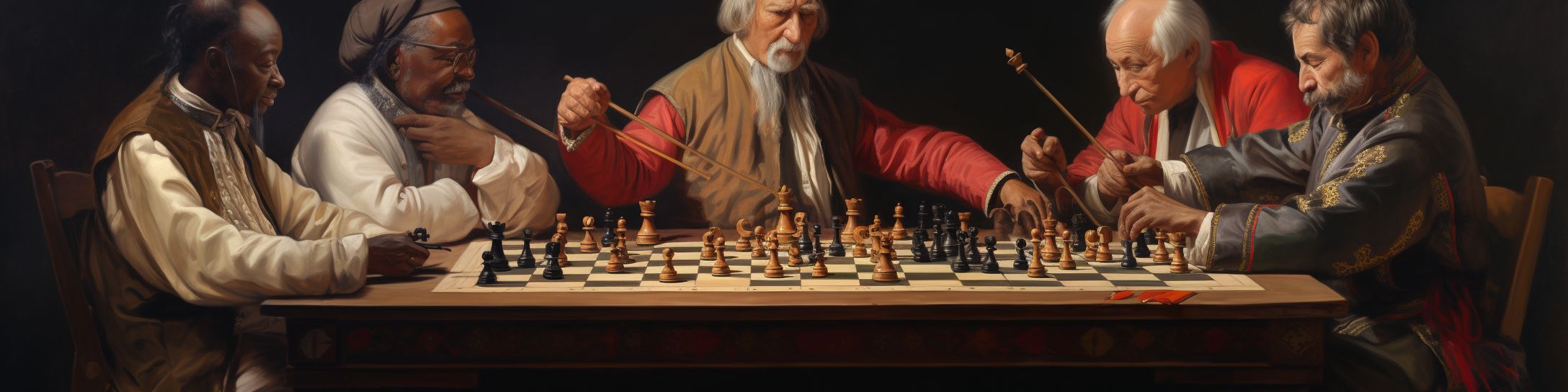
Originating from multiple cultures, chess has played an undeniable role in shaping the intellectual and cultural fabric of civilizations. Over the centuries, it has influenced literature, philosophy, mathematics, and even politics, weaving a rich and profound thread of interaction.
Chess and Literature
World literature is replete with references to chess, attracting writers with its rich symbolism and strategic depth. From Asia to Europe, chess has served as a metaphor for exploring human nature and power dynamics, the game being seen as a microcosm of life and war.
The role of chess in mathematics and philosophy
Chess has also influenced mathematics and philosophy, inspiring numerous theories and paradigms. Its rules of movement and tactics have provided models for the study of algorithms, game theory, and decision-making.
Cultural influence and impact of chess in societies
In many societies, chess has influenced customs and traditions. At the same time, it has also allowed people to cross cultural and social boundaries, facilitating exchange and understanding between people of different origins.
The impact of chess on art and cinema
Chess has also left its mark on cinema and art, through memorable films and works of art inspired by its enigmatic beauty. It continues to inspire artists, thus contributing to the richness and diversity of human culture.