

The story of Xie Jun
of reading
Xie Jun: The Early Years
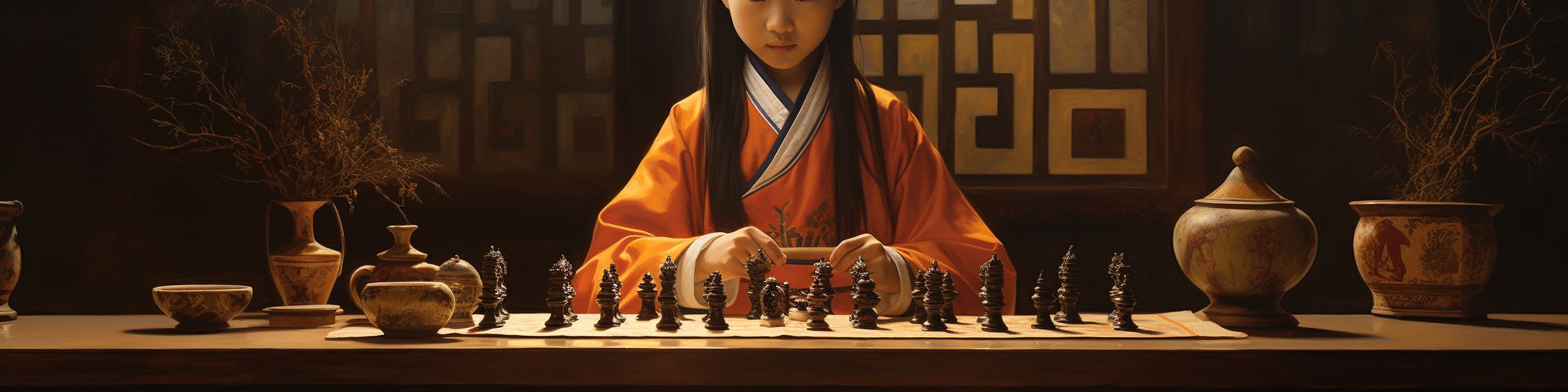
Born on October 30, 1970 in Baoding, China, Xie Jun began playing chess at the age of six, a passion that would develop rapidly.
Discovery and passion for the game of chess
It is said that her first encounter with chess was by chance when she saw some young players on the sidewalk. Intrigued, she joined them to learn the game. And so, at such a young age, Xie Jun discovered her love for this cerebral game, demonstrating impressive talent and strategy for her age.
A rapid climb to the summit
At the age of ten, Xie was already entering national tournaments. Her progress was meteoric. At the age of 15, she became Chinese champion , making her the youngest holder of this title.
First world title
In 1991, just 2 years after achieving the title of Woman Grandmaster, Xie Jun's career reached a historic peak when she won the Women's World Chess Championship , establishing Xie as a leading name in the chess world.
These early years laid the foundation for Xie Jun's impressive career. Her love for chess, along with her dedication and determination, propelled her onto an impressive trajectory of success and glory in the world of chess.

The Beginning of His Chess Career
Xie Jun's official chess career began in 1984, when she won the Chinese National Youth Championship at just 14 years old. This victory marked an impressive starting point for her chess career.
The Ascent of the Ranks
After her first remarkable victory, Xie Jun continued her ascent through the ranks of the chess world. In 1991, she won the Women's World Chess Championship, becoming only the second Chinese woman to achieve this feat. Her performance made a significant impact on the chess world, proving that the Soviet dominance of the time could be challenged.
Chess Fever in China
Her rapid rise and impressive skills sparked a wave of enthusiasm for chess in China. She became a role model for many young Chinese, stimulating their interest in the sport and helping to develop a new generation of talented chess players.
Recognition and Progression
In 1999, Xie Jun reclaimed the world title, further solidifying her position on the international stage. Her dedication to the game, her perseverance, and her strategic skill allowed her to reach the top. Today, she is considered one of the greatest chess players of all time.

The Rise to Fame
Xie Jun's talent truly began to shine internationally when she won the Women's World Chess Championship in 1991, becoming the first Chinese woman to hold this title. This success not only catapulted Xie Jun onto the world stage but also played a crucial role in increasing the popularity of chess in China.
A Historic Victory
Her initial success in 1991 was stunning. She defeated the defending champion, Maia Chiburdanidze, in the final round of matches for the world title. This victory not only established Xie Jun as a dominant force in the chess world but also paved the way for a new generation of female chess players in China.
Lasting Domination
Over the next decade, Xie Jun remained a dominant figure in chess. She regained her World Champion title in 1999 after briefly losing it in 1996. Her dominance of chess not only boosted her fame but also strengthened China's influence in the chess world.
His Contribution Beyond the Game
Beyond her obvious achievements as a player, Xie Jun helped popularize chess in China and inspire a new generation of players. Her rapid rise and enduring success made her an iconic figure in the world of chess, a status she continues to hold to this day.

The World Chess Championships
Having already gained international renown, Xie Jun firmly established herself as a dominant force on the world chess scene in the years that followed.
Resurgence and Second World Championship Title
In 1999, Xie Jun shook the chess world once again. After losing her title in 1996, she sought to reclaim it. Her path to regaining the world championship title culminated in an epic match against the reigning champion, Alisa Galliamova. Xie Jun ultimately reasserted her dominance and won her second world championship title.
Chess Retirement
After winning her third World Chess Championship title in 2002, Xie Jun decided to retire from competition. Her last notable appearance at the chessboard was at the 2006 Chess Olympiad. Bringing to a close a career filled with incredible victories and significant contributions to the game, she has primarily focused on promoting chess in China since her retirement.
To delve deeper into women's contributions to chess, don't miss our detailed analysis of women's influence in the chess world . Great figures like Xie Jun paved the way for future generations.

Xie Jun's Unique Game Strategy
Having reached this stage in Xie Jun's career, it is crucial to examine his unique playing style that has enabled these remarkable successes. His chess strategy is not only a testament to his talent but also to his determination and ability to fend off his opponents.
A Bold and Aggressive Strategy
Xie Jun is known for her bold and aggressive playing style. Her willingness to attack and create winning opportunities, even in defensive situations, destabilizes her opponents and turns the game in her favor.
Meticulous Preparation
In addition to her daring on the chessboard, Xie Jun distinguishes herself through meticulous strategic preparation before each match. She carefully analyzes the strengths and weaknesses of her opponents and adapts her strategy accordingly to maximize her chances of success.
Ability to Think Quickly
Xie Jun's ability to think quickly and make informed decisions during games played a crucial role in his victories. His excellent intuition and ability to react effectively to his opponents' moves allowed him to take control of many matches.
Xie Jun's superb game strategy, combined with her natural talent for chess, secured her place as one of the most influential chess players of her time. She continues to inspire many aspiring chess players around the world.

Controversies and Challenges
Xie Jun's career has not been without controversy and challenges. His journey has been marked by a series of contested matches and debates about the practices respected in the world of chess.
The 1993 conflict
In 1993, Xie Jun was embroiled in a major conflict when she refused to defend her world championship title against Georgian Maia Chiburdanidze without preconditions. The event received extensive media coverage, sparking a debate about the rights of chess players in international competitions.
The Polgar Challenge
The most notable of these challenges arose in 1996 when Zsuzsa Polgar of Hungary earned the right to challenge Xie Jun for the World Championship title. Tensions rose when it was revealed that the Chinese Chess Association had imposed strict conditions for the match. This raised significant questions about the fairness of the World Championship match process.
Contributions to the evolution of chess
Despite the controversies, it is undeniable that Xie Jun played a leading role in the advancement of chess, particularly for women in China. Her rise in this once male-dominated field sparked growing interest in the game in her home country, leading to an increase in the number of Chinese female chess players on the world stage.

Retirement and Post-Career Benefits
After many years dominating the chess world, Xie Jun decided to retire in 2002. However, this did not mean the end of his impact on the game.
Entering the academic arena
Following her retirement, Xie Jun took on new challenges and succeeded brilliantly. She earned a doctorate in chess from Peking University, becoming the first professional chess player to obtain a doctorate in the subject. Her goal was to raise the level of teaching and research in chess in China.
Ongoing contributions to the chessboard
Even after his retirement, Xie Jun remained an important figure in the chess world, helping to promote the game in China. Under his guidance, many young Chinese talents emerged and continued to carry the torch of chess success in China.
Engagement in public life
Xie Jun also demonstrated her commitment to society by becoming president of the Chinese Chess Federation, where she worked tirelessly to popularize the game nationwide. She used her fame and influence to raise awareness about the importance of education and chess in the lives of children and young adults.
Xie Jun's Legacy
Beyond his meteoric personal career, Xie Jun has left a lasting mark on the world of chess, not only in China, but also internationally.
Influence on the Game of Chess in China
In a country where chess was not widely popular, Xie Jun helped to spark interest in the sport. Her victory at the 1991 Women's World Chess Championship marked the beginning of an era of Chinese dominance in women's chess. Her achievements inspired a new generation of chess players in China, transforming chess from a niche sport into a nationally recognized and respected discipline.
Impact on Women's Chess Internationally
Internationally, Xie Jun's story has inspired many women around the world and helped to raise the profile of women's chess. She was a pioneer in the recognition of gender equality in a field traditionally dominated by men.
An Inspiration for Young Players
Even after her retirement, Xie Jun continues to play an active role in promoting chess. She dedicates herself to teaching and mentoring young players, passing on not only her passion for the game but also her unwavering commitment to excellence. Her story serves as a reminder that no matter where you come from, dedication and burning passion can lead to unprecedented achievements.
If Xie Jun's rise to chess fascinates you, you'll also be captivated by the story of another great female chess player. Discover the story of Pia Cramling , an icon who also left her mark on the chess world.