

Making your own chessboard
of reading
Choosing the right materials to make your chessboard
Making your own chessboard can be an interesting and satisfying project. On the one hand, you can personalize its design to make it unique, and on the other hand, building your own chessboard can contribute to the enjoyment of a good game of chess. However, choosing the right materials is crucial to ensuring the longevity and aesthetic appeal of your chessboard.
Materials for constructing the chessboard
The first important decision is choosing the material for constructing the chessboard. Common materials for chessboard construction include wood, acrylic, and PVC. Wood, particularly walnut or maple, is often chosen for its elegance and durability. Acrylic and PVC are easier to work with and offer a wide variety of colors.
Tools needed
Next, you'll need to gather the tools necessary to build your chessboard. A number of tools may be required, including a saw, a ruler, sandpaper, and wood glue if you're making a wooden chessboard. You'll also need paint or varnish to finish the look of your chessboard.
Plan your equipment
Once you've chosen your materials and gathered your tools, it's important to plan your project. The size of your chessboard, the design of the squares, as well as the color and type of surface finish should be decided in advance. Don't forget to consider the durability of your chessboard—choose materials and finishes that will withstand many playing sessions.
The essentials to consider before starting
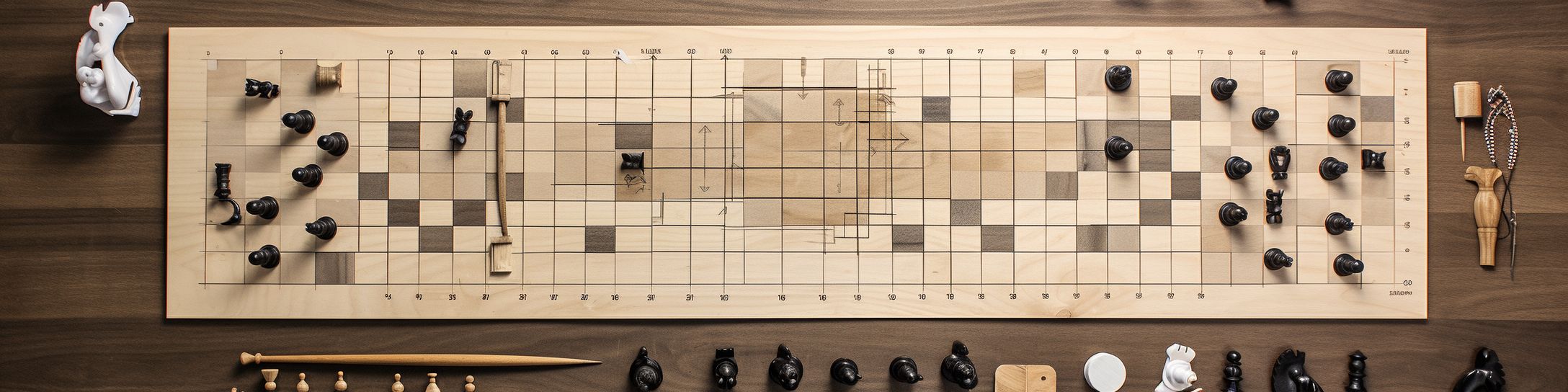
Embarking on the creation of your own chessboard requires proper planning. It is crucial to fully understand certain aspects of the process before beginning.
The choice of wood
The first thing to consider is the type of wood to use for building the chessboard. Most chessboards are made using a combination of dark and light woods to clearly distinguish the different squares. For example, mahogany and maple are often used for this purpose.
The size of the chessboard
Another crucial factor to consider is the size of the chessboard. It's essential to ensure that all the pieces fit comfortably on each square. The standard for a tournament chessboard is a square size of 2.25 inches. However, you can choose a different size to suit your needs.
The finishing touches on the chessboard
Finally, the finish of the chessboard can greatly affect its appearance and durability. Varnish can add extra shine to your chessboard and protect it from damage. There are also various stains and oils that can be used to enhance and protect the natural beauty of the wood.
Cut out the chessboard
Once the ideal material has been chosen and the proper planning has been completed, the next step in making your chessboard involves cutting out the chessboard. This is a crucial step that requires precision and care.
Take the precise measures
The first thing to do is take precise measurements. A typical chessboard has 64 squares, arranged in 8 rows of 8 squares each. Each square should be square, and a common size might be 5cm by 5cm. This means your chessboard should be a 40cm square. However, these measurements can be adjusted depending on the size of your chess pieces, or your personal preferences.
Draw the cutting lines
Once you have taken the measurements, you will need to mark the cutting lines on your material. To do this, it is recommended to use a precise tool such as a ruler or tape measure, and a pencil or pen that can be erased later. Make sure your lines are straight and even.
Cut out the tray
Finally, you can cut the tabletop along the lines you drew. Depending on the material you chose, you might need different kinds of tools, such as a saw for wood or a glass cutter for glass. Take all necessary safety precautions during this step, especially if you are using sharp or potentially dangerous tools.
Making your own chessboard can be a rewarding and fun experience, as well as a great way to get a game board that meets your precise aesthetic and gameplay preferences.
Paint and decorate your tray
After carefully cutting out your chessboard, it's now time to move on to the painting and decorating stage. This phase is crucial for bringing your chessboard to life and requires special attention.
Choosing the right colors
To stay true to tradition, you can opt for the classic black and white combination. However, feel free to let your creativity shine. You can personalize your chessboard by choosing colors that reflect your style. Whether it's soothing pastel shades or bright, bold hues, be sure to choose high-quality paints that will stand the test of time.
Apply the paint
Once you've chosen your colors, it's time to paint your chessboard. Start by painting every other square, alternating colors. Be sure to allow enough time for the paint to dry before painting the adjacent squares. Remember that non-toxic paint is best for this type of project, especially if the board is likely to be handled by children.
Add decorative details
The final step is to add decorative details that will make your chessboard unique. For example, you could paint small designs on the squares, or add elaborate borders around the board. You might also consider varnishing your chessboard to protect it and give it a nice glossy finish.
In short, painting a chessboard isn't just about functionality, but also about personal style. So take the time to choose colors and patterns that reflect your personality and add a touch of charm to your game set.
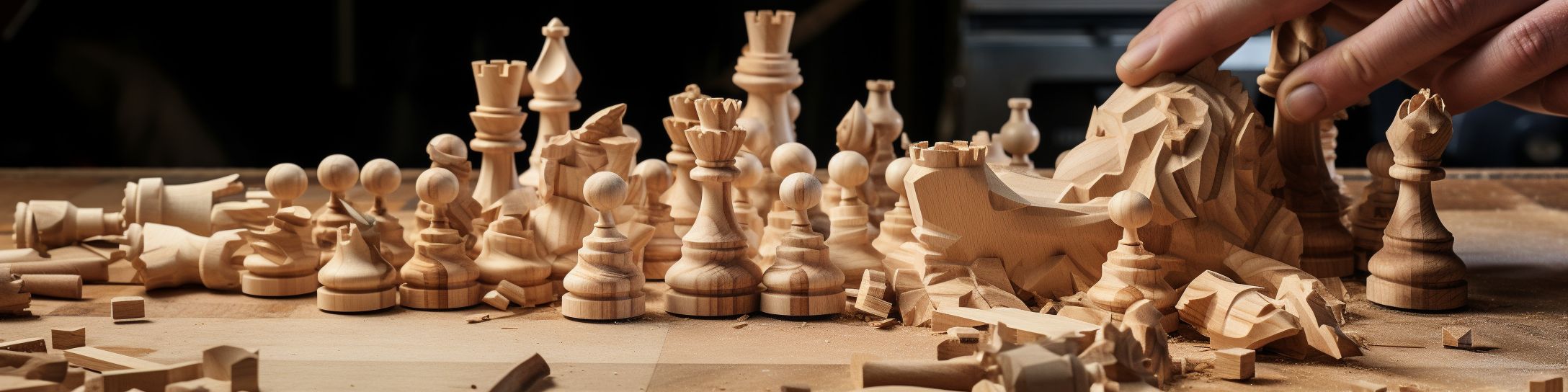
Making chess pieces
Now that you have created your chessboard, it's time to tackle the creation of the chess pieces . These are essential for playing the game and their creation requires precision and patience.
Material Selection
The first thing to consider is the material you'll use for your pieces. You can choose from a variety of materials, such as wood, metal, or even plastic. Select a material that complements the aesthetics of your chessboard and is easy to work with.
Part modeling
Designing chess pieces can be complex, especially for beginners. There are many templates online that you can use as a starting point. Just make sure they match the scale of your chessboard .
Finishing the parts
Once the pieces are sculpted, they must be properly finished to ensure their durability and aesthetic appeal. This may involve sanding, painting, or varnishing. Finishing is a crucial step in creating a truly impressive chess set.
Room storage
Finally, don't forget to consider how you will store your chess pieces. You can create slots in the chessboard itself, or make a separate box. Proper storage will protect your pieces and make transporting your chessboard easier.
In conclusion, creating chess pieces requires time and dedication, but the end result is a rewarding experience. With patience and determination, you will soon have a complete handmade chessboard to play with.
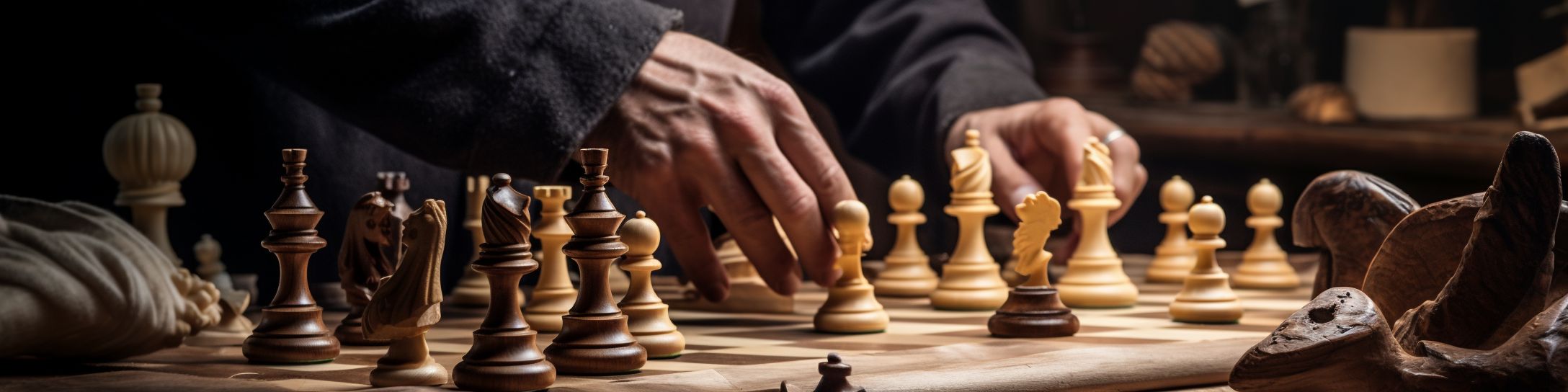
Tips for sculpting pieces
While your chessboard stands out for its beauty and distinction, it's now time to take a look at the chess pieces. Creating your own chess pieces can be challenging, but with the right techniques and a dose of patience, you can achieve surprising results. Here are a few tips that can help you with this task.
Choosing the best equipment
The choice of material is crucial when sculpting your chess pieces . You can opt for wood, clay, resin, plastic, or even metal. Each of these materials has advantages and disadvantages, and your choice should be based on your skill level and the desired final look of your pieces.
Plan for the correct dimensions
Another useful tip is to always ensure you take the correct dimensions into account when sculpting your chess pieces. You must make sure that your pieces fit the size of your chessboard and that they are proportional to each other. A king should be larger than a queen, who should be larger than a bishop, and so on.
Sculpt with care
Sculpting chess pieces requires time, patience, and meticulous attention to detail. Each piece must be distinctive and easily recognizable. Take your time, sculpt carefully, and don't hesitate to correct and refine your work as you go.
Finishing and painting
Once your pieces are sculpted, it's recommended to finish the work with a good finish and paint. You can opt for a natural, varnished, or painted finish, depending on the style you want to give your chess set. Don't forget to paint each team of chess pieces a different color to make them easier to distinguish during the game.
Overall, sculpting chess pieces is a rewarding project that not only tests your patience and fine art skills, but also helps create a unique and personalized chess set.
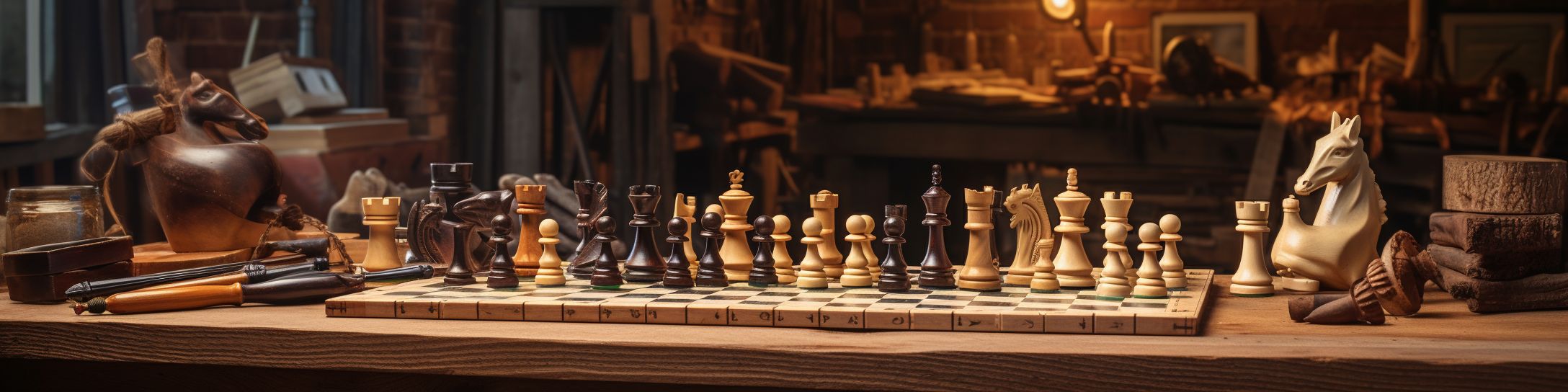
Customize your chessboard
The creation of your own chessboard is now well underway, but one important aspect remains to give character to your game: personalization. The options are endless for transforming your chessboard into a work of art that truly reflects you.
Add a touch of color
Considered the very essence of your chessboard's personality, color plays a crucial role. While the traditional black and white combination is very popular, adding a different color palette can give your game an extra sparkle.
Engrave your chessboard
Consider engraving your chessboard to personalize it. Whether it's your name, a special message, or a unique design, engraving adds an undeniable touch of personality to your chessboard.
Accessorize your chess pieces
Each piece in your game is a blank canvas, ready to be personalized. Adding accessories to the kings and queens, or painting each pawn a different color, are just some of the ways you can customize your chessboard.
Choose a chessboard theme
If you want to take it a step further, consider creating a theme for your chessboard. Whether it's a favorite movie theme, a historical period theme, or simply one based on shapes and colors you like, a chessboard theme can truly make your game one of a kind.
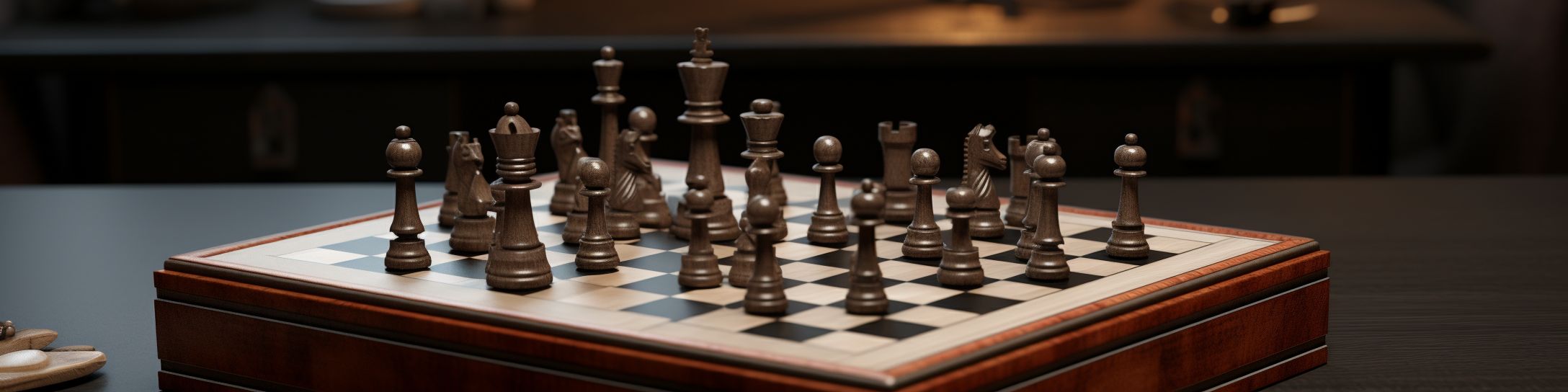
Maintenance and storage of your chessboard
After mastering the art of crafting your own chessboard, it's essential to understand how to properly care for and store it to preserve its beauty and integrity. A well-maintained chessboard can last for generations and become a treasured heirloom.
Preserving your chessboard
To keep your chessboard in the best possible condition, you must pay particular attention to its care. Avoid exposing it to humidity or direct sunlight, which can discolor the wood and cause cracking. Cleaning should be done with a soft cloth, without using any chemicals that could damage the finish of the board.
Storing your chessboard and pieces
When it comes to storage, it's best to find a dust-free place. If possible, store the pieces separately to avoid scratching the chessboard surface. Using a felt or velvet storage box can help protect the chess pieces from damage.
The importance of regular maintenance
Finally, remember that a handcrafted chessboard requires regular maintenance to retain its beauty. Gentle polishing once or twice a year can make all the difference in preserving the wood's shine and luster. By taking care of your chessboard, you can enjoy playing chess for years to come, while admiring the result of your work.
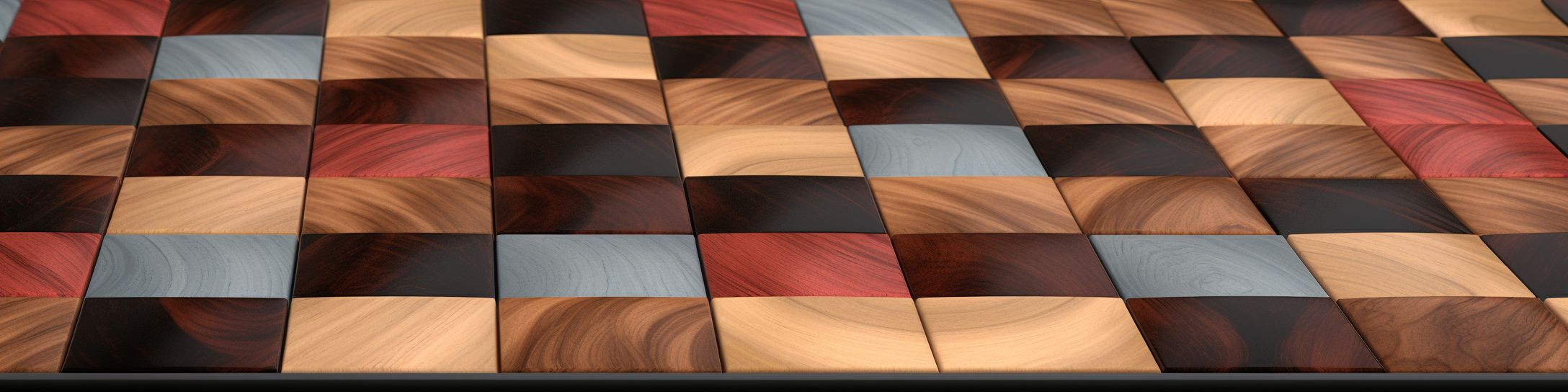
Mistakes to avoid during manufacturing
Whether you're a beginner or already have experience with DIY projects, making your own chessboard can present a few pitfalls. It's important to avoid some common mistakes to ensure a final result that meets your expectations.
Making imprecise cuts
Precision in cutting the chessboard is paramount. Even a slight angle deviation or insufficient cutting of the squares can affect the chessboard's functionality and appearance. Furthermore, imprecise cuts can disrupt the alignment of your chess squares . Therefore, it is recommended to use a suitable measuring tool and proceed with the utmost care.
Choosing the wrong type of paint
When it comes to painting your chessboard, selecting the right type of paint is crucial. Not all paints react the same way to different surfaces. For example, a paint that works well on wood might not be ideal for metal. It's also worth noting that some paints can damage the chessboard if the wrong one is chosen.
Neglecting the finishing
After dedicating time and effort to building your chessboard, don't neglect the final step: finishing. This is the opportunity to add a coat of varnish or wax to protect the chessboard from wear and scratches. Similarly, for the chess pieces, a careful finish will contribute to an attractive aesthetic and long-term durability.
Ignore the balancing of the parts
Finally, a common mistake is ignoring the concept of chess piece balancing. Balancing ensures that the pieces remain stable on the board and are not easily knocked over. This can be achieved by adding extra weight to the base of each piece.
With these tips in mind, you are now ready to avoid common mistakes when building your chessboard. Happy building!
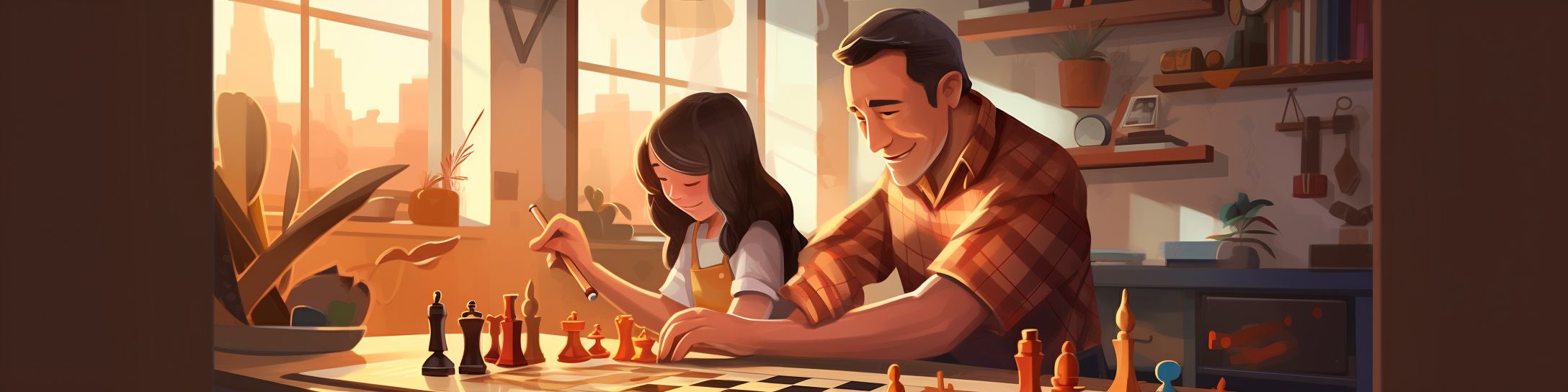
Turning chessboard making into a family business
More than just a pastime, making a chessboard stands out as a rewarding family activity. Bringing the family together around this artistic and educational project can be an excellent way to spend quality time together while creating a tangible object to cherish.
The benefits of family activities
Building a chessboard together is much more than just constructing a game. It's an opportunity to strengthen bonds, learn to work as a team, and develop skills in areas as diverse as woodworking, painting, and patience. It's also a fun way to introduce your children to chess, a game renowned for its numerous benefits in developing strategic thinking and concentration.
Tasks for every age
The process of making a chessboard can be adapted for all ages. Younger children can help paint and decorate the board and pieces, while teenagers and adults can take on the more technical work of cutting and carving. Everyone can add their personal touch to the chessboard, making the finished product even more special.
Moments of complicity
Of course, working together on this project will also lead to precious moments of bonding and laughter that you and your children will cherish for a long time. Furthermore, the sense of accomplishment felt once your chessboard is finished will be shared by the whole family. Imagine your children's pride when they play their first game on the chessboard they helped to build!
A learning experience for all
Finally, this family activity is a learning opportunity for both children and parents. It's a chance to share knowledge, teach, and learn. Who knows, perhaps this activity will spark a new passion for crafts or chess in your children? Or perhaps it will give you a new appreciation for these areas? In any case, building a chessboard as a family is a memorable adventure that promises wonderful moments of sharing.
Joel B.
Bonjour, je viens de fabriquer les pièces d’un échiquier avec mon imprimante 3D. J’ai pris comme modèle l’Égypte.
Je cherchais comment réaliser mon plateau et votre article est très intéressant.
En suivant vos conseils, je pense y arriver.
Merci encore et bonne continuation.