

Chesboxing
of reading
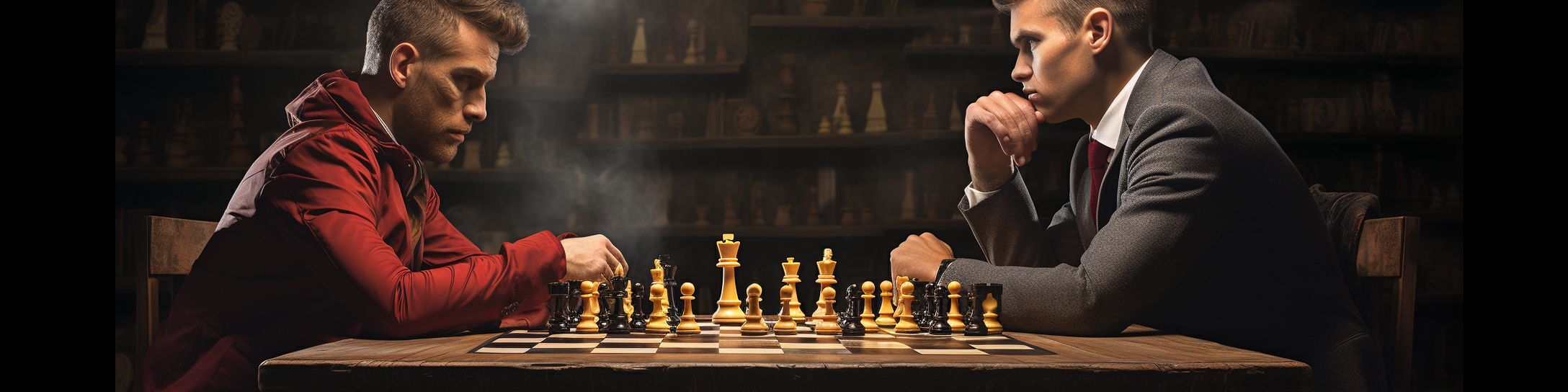
Discovering chessboxing
Chessboxing is a fascinating hybrid sport that combines the opposing worlds of chess and boxing. Originating in the 2000s, it blends the raw physical force of boxing with the intense, strategic thinking of chess.
The rules of chessboxing
A chessboxing match consists of 11 rounds alternating between chess and boxing. The order of rounds always begins with a chess round, followed by a boxing round, and so on. Competitors need skill in both disciplines to excel in this unique sport. To win, a player must either knock out their opponent during the boxing round or checkmate them during the chess round. If neither player wins during these rounds, the winner is determined by the chess score.
Game strategy
In terms of game strategy , chessboxing requires not only skills in chess and boxing, but also excellent time and energy management. Players must be able to quickly switch from punches to intellectual thinking, while managing their energy expenditure to last until the end of the match.
Popularity and growth of chessboxing
Despite its hybrid nature, chessboxing has managed to attract a loyal fan base worldwide. Since its inception, the sport has been adopted by various countries, including England, Germany, India, and Russia. The unique combination of intense physical exercise and strategic thinking has sparked the interest of a diverse audience, ranging from chess fans to boxing enthusiasts.
The roots of chessboxing
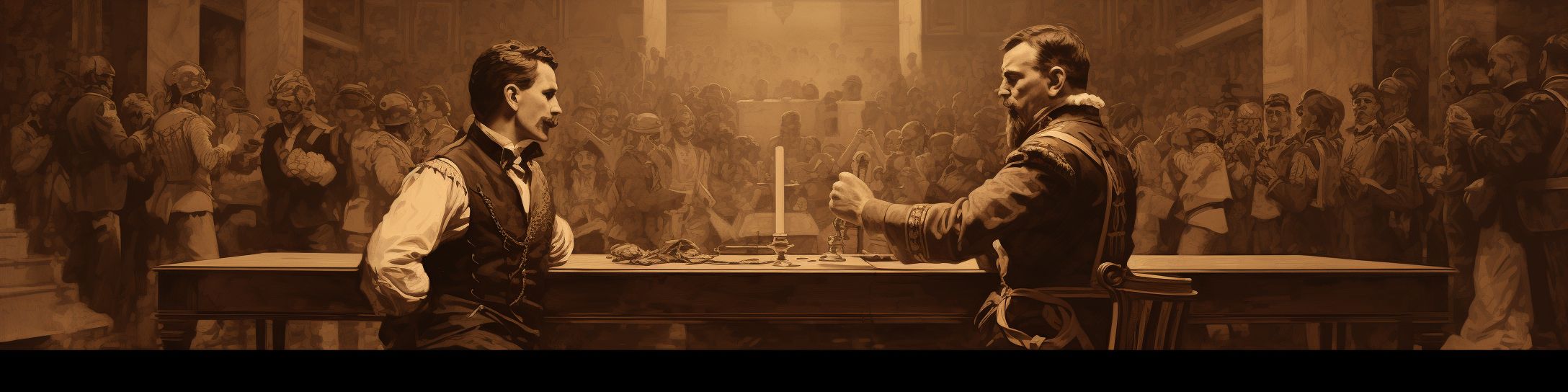
Chessboxing, this strange mix of chess and boxing, found its origins in the world of art. In the 1970s, the French artist Enki Bilal created a comic strip called "Froid Équateur" (Cold Equator), imagining a future where a sport combines the physical agility of boxing and the mental intelligence of chess.
The beginnings
Bilal's comic strip concept was brought to life by the Dutchman Iepe Rubingh in 2003. The latter created the first official chessboxing competition, establishing a revolutionary new discipline that appeals to both athletes and intellectuals.
The rise of chessboxing and its current popularity
Over the years, chessboxing has gained popularity and is now practiced by thousands of people worldwide. Clubs have sprung up across the globe to offer this unique discipline, demonstrating the scale chessboxing has achieved. London, for example, is recognized as the birthplace of modern chessboxing, with a club founded by Tim Woolgar in 2008.
The differentiation brought about by chessboxing
No other sport blends mental and physical activity in such an intense and innovative way as chessboxing. The sport reflects our times: ultra-competitive and brimming with multifaceted challenges. To succeed in this discipline, one must not only be in excellent physical condition but also demonstrate strong strategic thinking and exceptional decision-making skills. Chessboxing continues to attract a growing number of enthusiasts drawn to this unique combination of two seemingly disparate disciplines.
The course of a chessboxing game
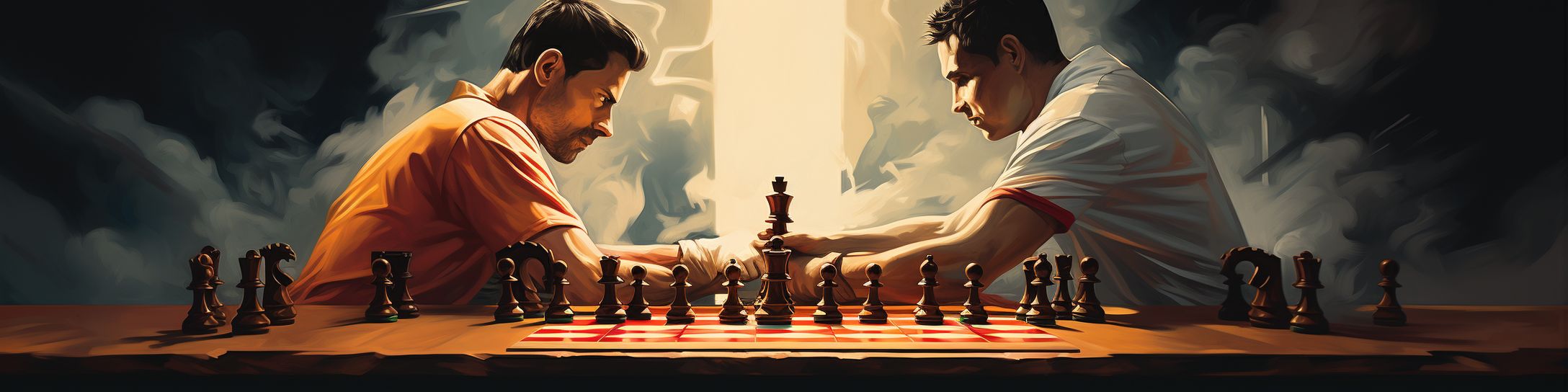
A chessboxing confrontation does not deviate from the intriguing essence of this sport, presenting a unique succession of physical and intellectual rounds.
First ring: Checkmate
A game begins with a four-minute chess round. The two opponents face off around a chessboard, using their strategic and tactical skills. It is essential at this stage that each player develops a solid plan, as any mistake can have disastrous consequences in the subsequent boxing rounds.
Round two: The boxing bell
After the chess match, the opponents face off in a three-minute boxing round. Here, endurance, strength, and technique are tested. Maintaining constant vigilance is crucial, as a knockout can end the match regardless of the outcome of the chess game.
Transition and continuity: Chessboard and boxing gloves
Participants alternate between chess and boxing for each round, for a total of 11 rounds (6 chess and 5 boxing). It is important to note that a chess game continues from one round to the next without resetting, thus reinforcing the strategic aspect of the match.
End of the game: Victory conditions
A chessboxing match can end in several ways. Victory can be achieved either by checkmate on the chessboard or by knockout or resignation of the opponent during a boxing round. If the chess game ends in a draw, the player with the most points in boxing is declared the winner. Similarly, if the boxing scorecard is equal, victory goes to the chess player with the best material odds.

Guidelines in the art of chessboxing
Chessboxing, with its unique blend of mental strategy and physical competition, requires a set of clear and precise guidelines to ensure its accuracy and smooth execution.
Putting on the gloves: Boxing rules
During a boxing round, the rules applied are those of amateur boxing. Fighters wear protective gear, and blows must not be aimed at the back of the head or below the waist. Each boxing round lasts three minutes, and the total number of rounds varies depending on the skill level of the participants.
On the chessboard: Rules of chess
Alternatively, the chess round, which begins each match, follows the standard rules of chess. Each chess round lasts four minutes, and the total chess time cannot exceed twelve minutes. It is also crucial to note that touching a piece commits you to moving it, leaving no room for hesitation in this intense strategic game.
Transition between disciplines
One of the unique aspects of chessboxing is the rapid transition between the two disciplines. Once a round is over, participants have a short window of time to change equipment and adjust their mental preparation for the next discipline. This quick and fluid transition creates an environment of extreme physical and mental concentration rarely encountered in other sports.
End of a game
In chessboxing, victory can be achieved in two ways: by checkmate on the chessboard, or by knockout in the ring. Otherwise, the decision is made on points in both chess and boxing, depending on how the match unfolds. It is also important to note that disqualification can occur for violations of the rules of the game.
It is therefore evident that chessboxing requires not only physical and mental dexterity, but also a thorough knowledge and respect for its rules in order to excel at it.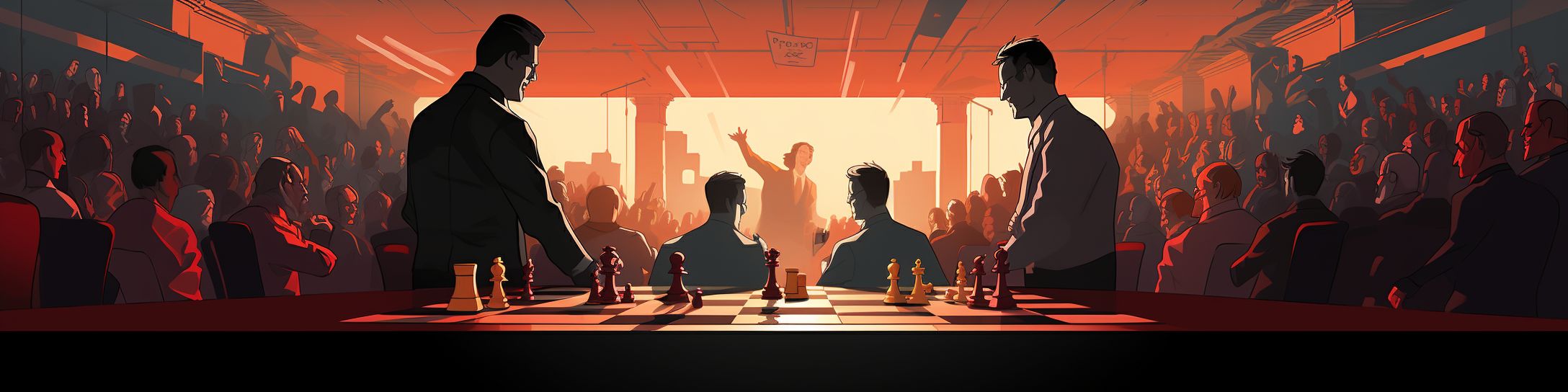
Strategic maneuvers in chessboxing
Engaging in chessboxing requires competitors to simultaneously master chess strategies and boxing techniques. It is precisely this unlikely encounter between intellectual tactics and physical strength that makes this hybrid sport so compelling.
Planning on the chessboard
Each participant must arrive at the ring with a pre-defined chess strategy. Between each boxing round, the players resume exactly where they left off on the chessboard. Depending on the situation they find themselves in, they must be able to advance their pieces, anticipate their opponent's moves, and adapt their strategy accordingly.
Boxing Maneuvers
Between rounds of chess, it's time for boxing. It's hard to imagine that after an intellectual battle held in a seated position, the competitors must then transition to an intense physical fight. The athletes must be well-trained and able to shift quickly from mental focus to physical exertion. In this phase, strength, endurance, reactivity, and striking technique are vital.
Balance between Brain and Brawn
As the name suggests, chessboxing is a true test of balance. Competitors must develop and maintain a carefully balanced combination of mental and physical abilities. They must perfectly synchronize their play on the chessboard and their performance in the ring to have any hope of winning. This is what makes the sport so unique and exciting.

Skills required
Chessboxing presents a true challenge for those who wish to take it up, as it requires a diverse range of skills, both physical and mental. Nevertheless, learning and honing these skills can be an exhilarating and rewarding adventure.
Intellectualization and anticipation: The art of chess
To excel in the chess portion of chessboxing, more than just knowledge of the basic rules is required. Competitors must be able to develop sophisticated chess strategies, anticipate opponents' moves, and make quick and accurate decisions under pressure.
Endurance and agility: The demands of boxing
On the other hand, the boxing section of chessboxing requires considerable physical strength, proven endurance, and remarkable agility. Mastering boxing techniques, the ability to dodge blows, and striking effectively are all necessary skills to excel in the ring.
The Harmony of Body and Mind
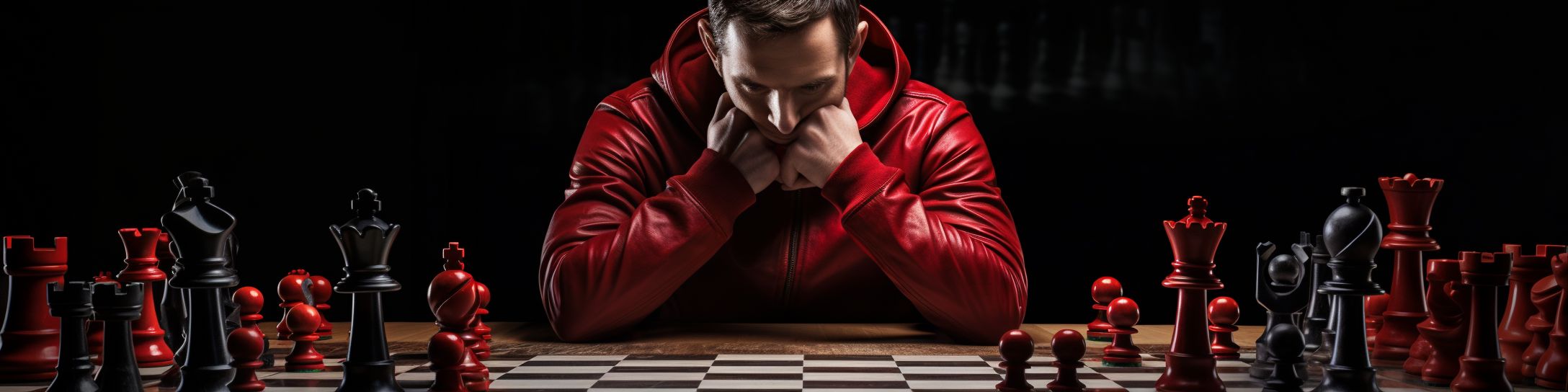
What truly distinguishes chessboxing from other sports is the required harmony between body and mind. Indeed, the alternation between the mental intensity of chess and the physical demands of boxing requires not only specific skills in each area, but also the ability to seamlessly transition between them. This sport tests both mental and physical resilience, demanding sustained concentration and excellent physical condition.
Towards mastering chessboxing
Ultimately, excelling in chessboxing requires a significant investment of time and energy to develop and refine these skills. However, the feeling of triumph that comes from success in this unique sport makes all the effort worthwhile.
Preparation for chessboxing practice
If the idea of combining the strategic thinking of chess with the adrenaline of boxing appeals to you, preparing for chessboxing will be a crucial step for you.
Mental exercise: The game of chess
A crucial first step in your chessboxing training will be honing your chess skills. Mastering the rules of the game, understanding opening, middlegame, and endgame strategies, and developing the ability to anticipate your opponent's moves will be essential. Remember that your chess sessions will take place under stressful and fatigued conditions, following your boxing rounds.
Physical preparation: boxing
In addition, you will need to prepare physically for the boxing portion of chessboxing. This involves intensive training to develop your strength, endurance, agility, and boxing techniques. It is also important to adopt a healthy diet to support your physical efforts.
Combination of the two disciplines
The unique aspect of chessboxing lies in the alternation between the two disciplines. Competitors must therefore be able to quickly shift from a state of intense concentration for chess to an extreme level of physical activity for boxing, and vice versa. This transition can be difficult to manage, and mental preparation plays a key role in managing stress and maintaining balance between the two disciplines.
In short, preparing for chessboxing requires determination, discipline, and versatility. It is certainly a challenge, but also a unique opportunity to develop varied and complementary skills, combining intellect and physical strength.

Profits from chessboxing
Beyond the strangeness of its combination, chessboxing, through its unique characteristics, brings its practitioners a plethora of benefits, both physical and mental.
Improvement of physical fitness
The boxing component of chessboxing allows participants to improve their physical fitness. Intensive boxing training, focused on strength, endurance, agility, and coordination, contributes to overall physical development.
Cultivating mental agility
Chessboxing is also an excellent mental exercise. The game of chess develops strategic thinking skills, concentration, and problem-solving abilities. The rapid transition from boxing to chess further demands cognitive flexibility and the ability to make decisions under pressure.
Character strengthening
Engaging in chessboxing also helps individuals develop their character. The need to contend with another participant both physically and intellectually demands a particularly high level of determination, discipline, and resilience. It's an excellent opportunity to cultivate patience, willpower, and self-control.
Cultivate humility and respect
Often unpredictable, chessboxing constantly reminds competitors that victory is never guaranteed and that all skills can be countered. This lesson in humility fosters respect, both for oneself and for one's opponents.

Main chessboxing tournaments
As chessboxing continues to gain popularity worldwide, the organization of major tournaments greatly contributes to its recognition as a competitive sport. These tournaments bring together enthusiasts of the sport, creating a platform for both fans and competitors.
World Chessboxing Organization (WCBO)
The World Chessboxing Organisation (WCBO) is the governing body of chessboxing, organizing events worldwide. The annual WCBO World Championship is one of the most prestigious events on the chessboxing calendar, attracting competitors from all corners of the globe.
Chessboxing Global (CBG)
Chessboxing Global (CBG) is another major organization that hosts chessboxing events. Their mission is to make chessboxing a recognized and practiced sport worldwide. They organize several tournaments each year, including an annual championship.
London chessboxing
Based in the UK, London Chessboxing is both a training school and a major event organizer. Their events take place across the UK, encourage participation at all levels, and celebrate fair play and a competitive spirit.
India-chessboxing and World chessboxing Association (WBCA)
India is a leading country in promoting chessboxing and pays particular attention to organizing major events. Furthermore, the World Chessboxing Association (WBCA), founded in India in 2013, aims to further develop the sport worldwide.
Grand winners of chessboxing
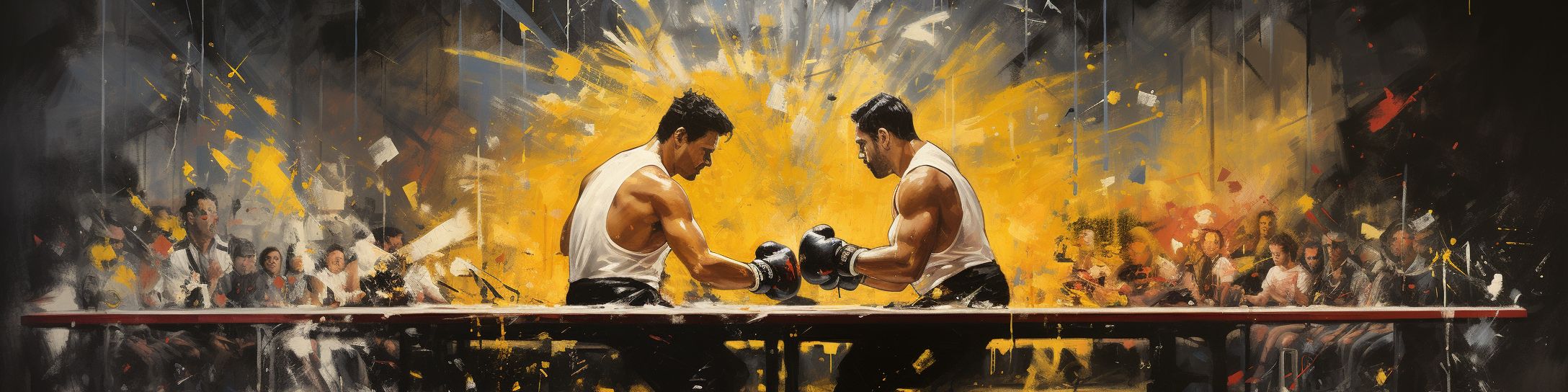
In chessboxing, each match is an intense battle of a particular kind, but some fighters stand out for their exceptional talent and impressive track record.
Specimen of a champion: Nikolay Sazhin
Widely recognized as an undisputed world champion of chessboxing, Nikolay Sazhin is a perfect example of the successful marriage of sharp strategic intelligence and raw physical strength. Sazhin, a Russian, has won several world titles, demonstrating an impressive mastery of both disciplines of the sport.
A legend in the making: Leonid Chernobaev
Leonid Chernobaev, known as the "Grandmaster," is another champion who has left his mark on the world of chessboxing. Chernobaev, a Belarusian, is respected as much for his skill in deciphering the most complex chessboards as for his ability to dominate in the ring.
On the women's stage: Nika Beridze
Nika Beridze, originally from Georgia, is a leading figure in women's chessboxing. She has highlighted the growing role of women in this sport and paved the way for many other women thanks to her international success.
Chessboxing has thus seen the emergence of incomparable champions who, through their exceptional skill, contribute to the constant evolution of this fascinating sport.

Future projections in the world of chessboxing
As with any emerging discipline, the future of chessboxing is exciting and offers many opportunities.
Expansion of practice
The practice of chessboxing appears to be on the rise. The increasing number of clubs and training sessions available worldwide testifies to the growing interest in this unique sport. This trend is expected to continue developing as the sport's popularity increases, attracting an ever-expanding and more diverse audience.
Media spotlight
Thanks to its unique nature and unexpected combination of raw athleticism and intellectual finesse, chessboxing has great potential for increased media exposure. Featured in international sports magazines and documentaries, chessboxing is well-positioned to captivate a wider audience.
Official recognition and integration into the Olympic Games
What if chessboxing were part of the Olympic Games? While this idea may seem far-fetched, it's entirely plausible. Combining an ancient art form, chess, with a recognized Olympic sport, boxing, could allow chessboxing to aspire to Olympic recognition in the long term.
Contribution to education
Finally, in view of the concomitant cognitive and physical benefits that the practice of chessboxing brings, it could be interesting to integrate this sport into school programs in order to develop in a fun and original way the strategic thinking, concentration, endurance and willpower of students.

To take up the practice of chessboxing.
Once you've discovered the appeal of chessboxing and your curiosity has been piqued, it's natural to wonder how to get started in this unique sport. To follow in the footsteps of champions and enter the chessboxing arena, several steps need to be considered.
Looking for a chessboxing club
The first step to getting started in chessboxing is finding a suitable training club. Chessboxing clubs offer a well-structured training environment, essential for mastering the nuances of this hybrid sport. Experienced coaches and trainers will help you develop your boxing and chess skills simultaneously.
To commit to rigorous training
Chessboxing demands unwavering discipline and determination. Rigorous training, both physical and intellectual, is essential. Furthermore, cognitive endurance and the ability to think clearly under pressure are also crucial elements to develop.
Participate in practice matches
Before entering official tournaments, participating in practice matches can be extremely beneficial. These matches provide a platform to practically apply your chessboxing skills and tactics, giving you a clear idea of your strengths and areas for improvement.
To enter competitions
Once you've gained some confidence and experience through practice matches, the next step would be to participate in chessboxing tournaments. This will not only allow you to put your skills into practice but also gain valuable battlefield experience.
Getting into chessboxing can be a fascinating adventure, and with the right training and attitude, you can overcome the obstacles of this sport and perhaps even become one of the next great chessboxing champions.