

From wood to glass: A guide to materials for your chess set
of reading
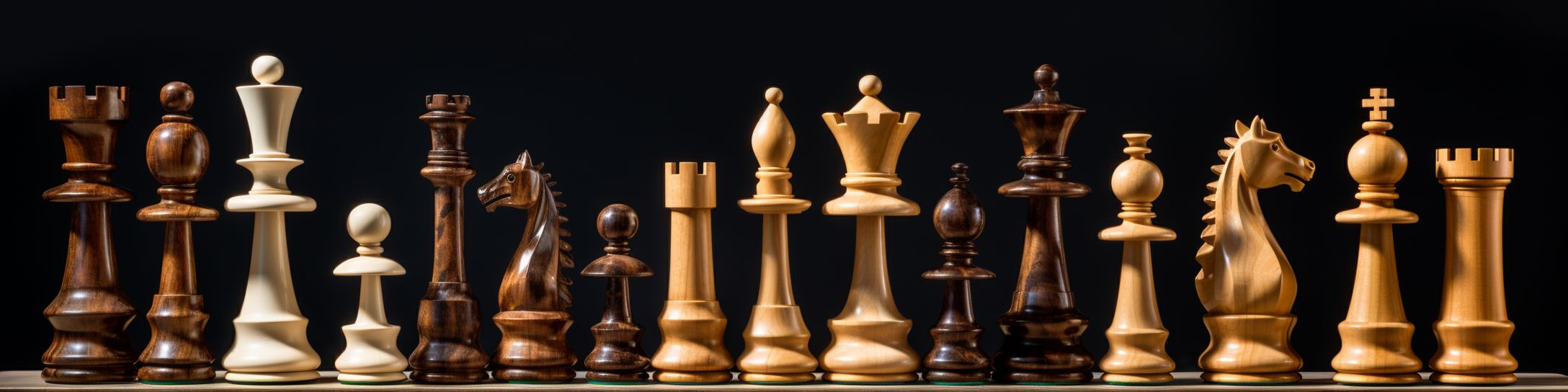
Discover the different materials used in a chess set.
When choosing a chess set, the material of the pieces and the board can greatly influence both the quality of play and the aesthetics. Here's a guide to help you understand the advantages and disadvantages of the most commonly used materials: wood, metal, and glass.
The refinement of wood
Among the materials traditionally used to make chess sets, wood is undoubtedly the most popular and appreciated. Its pleasant feel, warm aesthetic, and durability make it a preferred choice for many amateurs and professionals. The types of wood vary greatly, from inexpensive but sturdy beech to oak, walnut, or even ebony for more luxurious versions.
The elegance of metal
Metal chess sets are often chosen for their elegant appearance and substantial weight, which provides a satisfying feel with each move. Bronze, silver, and tin are among the most commonly used metals. These types of chess sets can range from relatively inexpensive models to high-end, handcrafted pieces.
The modernity of glass
Finally, if you're looking for a chess set that's truly out of the ordinary, then a glass chess set might be the right choice for you. These sets are often very aesthetically pleasing, with a modern and distinctive look. While they may be more fragile than wooden or metal sets, they can make a bold statement and add a touch of elegance to any room.
Whatever material you choose, the most important thing is to find a chess set that suits your personal needs and playing style. After all, chess is as much about aesthetics as it is about strategy.
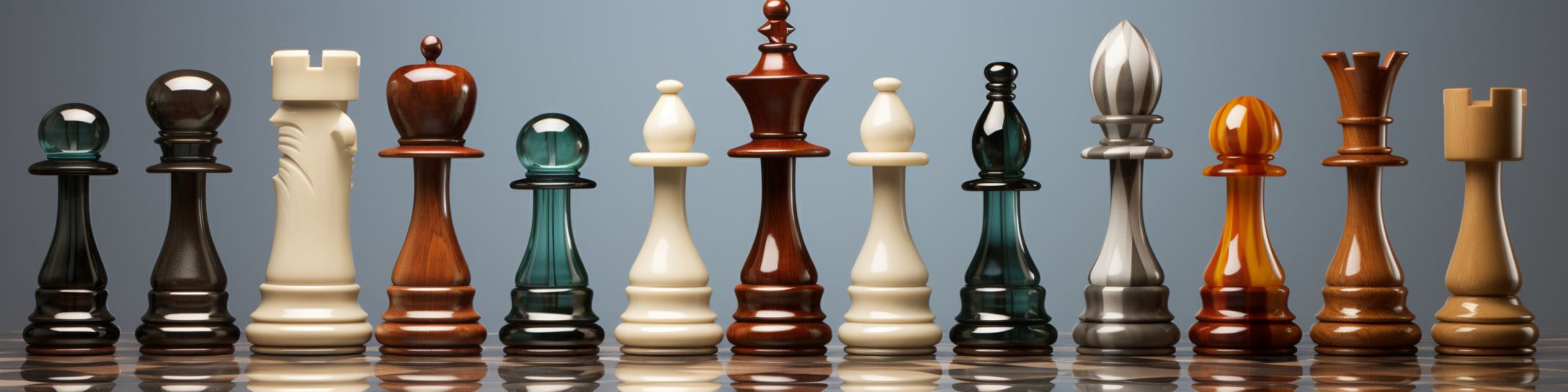
The importance of material choice
The range of materials available for making chessboards and chess pieces is vast and varied. However, it is crucial to understand the influence of each material on the playing experience, the durability of your pieces, and the appearance of your chessboard.
Implications of the gaming experience
It is well known that the tactile feel of the material used in chess can significantly impact the experience. For example, playing chess with crystal glass pieces offers a luxurious and refined feel compared to wooden pieces, which provide a sense of warmth and authenticity. The material will also influence the weight of the pieces, which can affect their stability on the board and the enjoyment of the game.
Durability and maintenance
In terms of durability and maintenance, materials such as glass and metal are generally more resistant and easier to clean than wood. However, wood, if properly cared for, can still withstand the test of time and develop a beautiful patina over the years.
The appearance of your chess set
Finally, the visual aspect is undeniably one of the characteristics most impacted by the choice of materials. A wooden chess set evokes a more traditional feel, while a glass set presents a modern and minimalist style. Chessboards made of marble or other semi-precious stones can also add an element of luxury to your playing space.
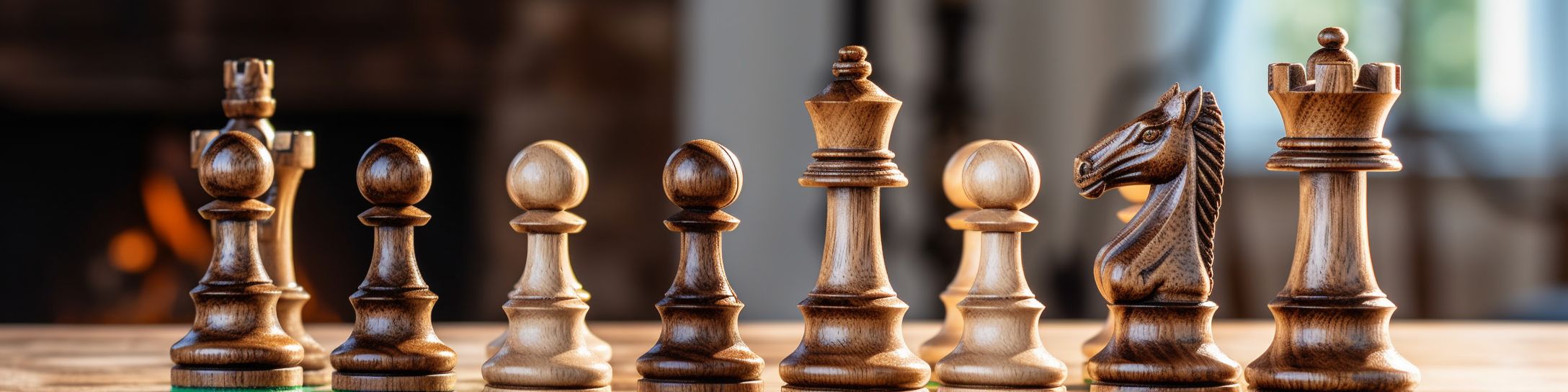
Understanding the symbolism of wood in chess
Imagine yourself in a game of chess, holding in your hands the pieces precisely carved from precious wood and feeling their perfectly balanced weight.
Wood: a timeless material
Wood is undoubtedly one of the most traditional and prized materials for making chess sets. It offers a warm and elegant aesthetic that develops a patina over time, adding a touch of nostalgia to every game. Each type of wood has its own unique characteristics, making every chess set one of a kind.
The symbolism of wood in chess
Far more than just a game, chess is often considered a miniature representation of strategy and tactics, and the choice of wood adds another dimension to this symbolism. Noble woods like ebony, rosewood, or walnut symbolize nobility and refinement, while lighter woods like maple or linden can evoke innocence and simplicity.
How to choose your wooden chess set?
To choose the right wooden chess set, it's important to consider several factors. The quality of the craftsmanship, the type of wood used, the weight and size of the pieces, and the overall design of the set are all elements to take into account. A quality chess set should be sturdy and durable, while also offering a comfortable grip.
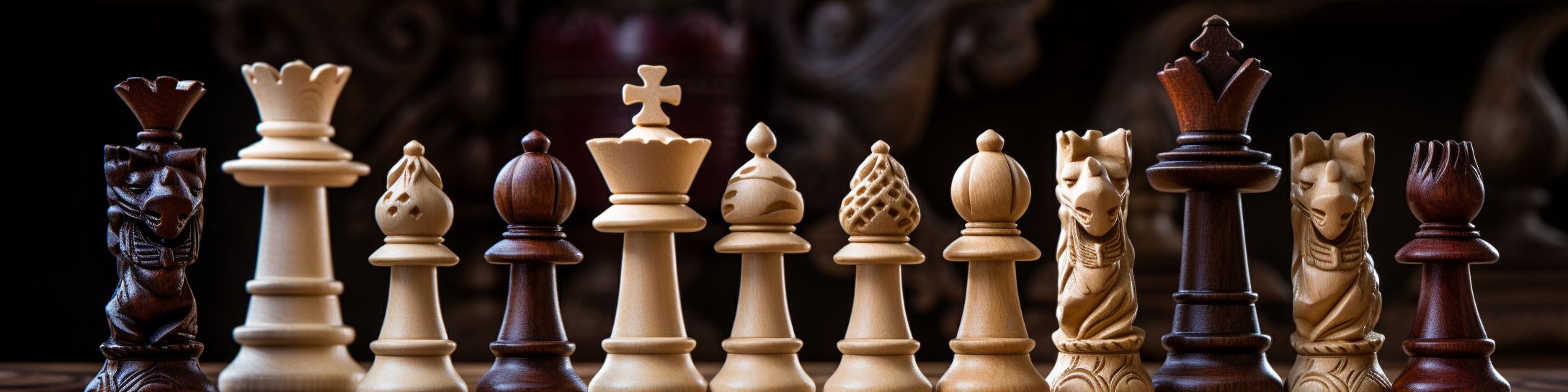
The types of wood used in chess sets
Whether it's differentiating the subtle nuances between different wood species or identifying the characteristics that make some more suitable than others, understanding the different types of wood used in chess sets is an essential aspect of making the best choice.
Ebony wood: a popular choice for chess sets
Ebony wood is often the material of choice for high-quality chess sets. Possessing impressive hardness, this wood is known for its rich, dark color that develops as it ages. It is an excellent choice for dark-colored chess pieces, providing a striking contrast to the light colors of the squares and pieces on the board.
Rosewood: the king of chess
Rosewood , with its fine grain and rich brown hues, is another preferred wood for chessboards and game pieces. Its luxurious appearance and wood density make it particularly resistant to wear, ensuring a durable and attractive chessboard for countless games to come.
Maple: ideal for light-colored rooms
Conversely, for light-colored pieces, lighter woods such as maple are generally preferred. Recognizable by its pale hue and smooth texture, maple is prized for its durability and ability to maintain a glossy finish, which is both beautiful and practical for playing.
In conclusion, whether for aesthetics, durability, or tactile feel, the type of wood chosen for your chess set can greatly influence your playing experience. It is therefore worthwhile to take the time to understand and appreciate the nuances and beauty of each wood species to ensure an informed and satisfying choice.
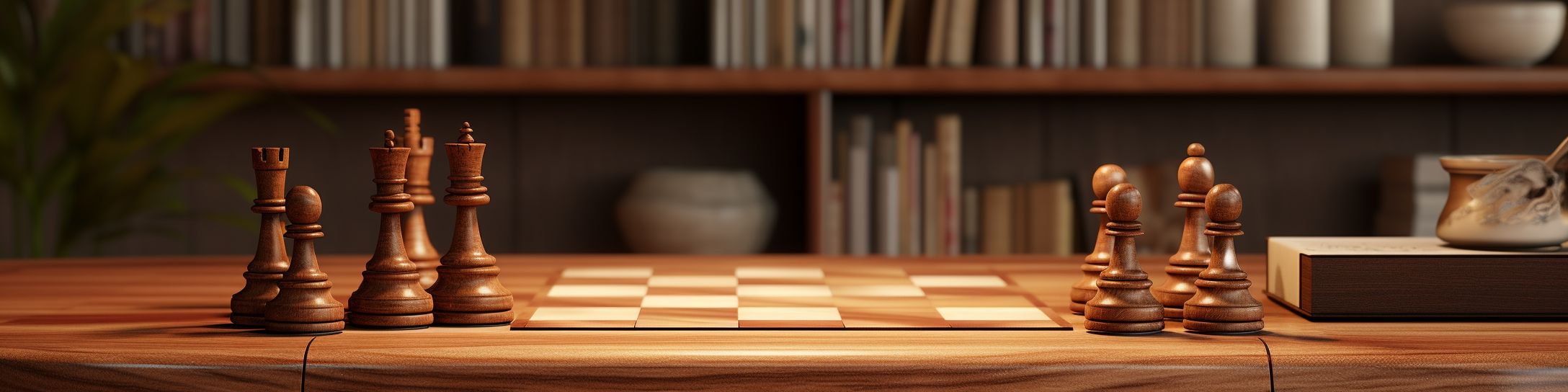
The advantages and disadvantages of a wooden chessboard
Combining style and tradition, the wooden chessboard has always been a favorite among chess enthusiasts. Let's review its strengths and limitations.
Advantages of a wooden chessboard
A wooden chessboard offers many advantages. First, it brings a touch of authenticity and naturalness that is not found in other materials. Furthermore, each wood grain has its own unique characteristics, making each board one-of-a-kind. From a practical point of view, the wood is heavy enough to ensure excellent stability during gameplay.
Disadvantages of a wooden chessboard
However, a wooden chessboard can also have some drawbacks. For example, it is more sensitive to variations in temperature and humidity, which can eventually cause cracks or warping. Wood is also more susceptible to physical damage , such as scratches or scuffs, especially if the pieces are made of metal or stone. Furthermore, the cost of a high-quality wooden chessboard can be quite high.
Conclusion
Ultimately, choosing a wooden chessboard depends on your personal preferences, budget, and the environment in which you intend to use it. If you appreciate the traditional look and feel of wood, and are aware of the care it requires, then a wooden chessboard can be an excellent option.
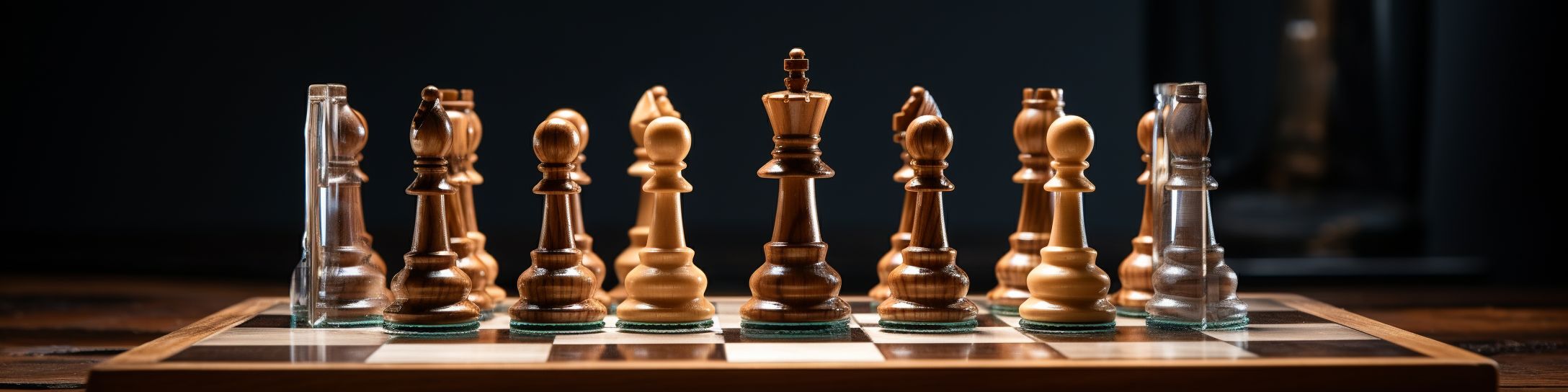
The emergence of glass in the manufacture of chess
As time goes on, traditional chess set materials such as wood have faced increasing competition from other innovative materials. Among them, glass stands out for its elegance and modernity.
The unique charm of glass
Glass, with its transparent and smooth appearance, offers a unique visual experience for chess players. Glass chessboards are often true works of art, gleaming with a luxurious and modern brilliance. They allow for an exceptionally clear and visually immersive playing experience, while their refractive nature plays with light, creating a captivating visual spectacle.
The advantages and disadvantages of glass chessboards
A glass chessboard is certainly aesthetically pleasing, but like any material, it also has advantages and disadvantages. One of its main advantages is its modern and luxurious appearance. Furthermore, its smooth surface is easy to clean, simplifying maintenance. However, it is also more fragile and must be handled with care to avoid breakage or scratches.
The choice of glass chess pieces
Like the chessboard itself, glass chess pieces offer a unique aesthetic. They can be transparent or colored, adding an extra dimension to the visual appeal of the game. However, they can also be more fragile than wooden pieces, and their weight can be noticeably different, which may require some players to adjust to.
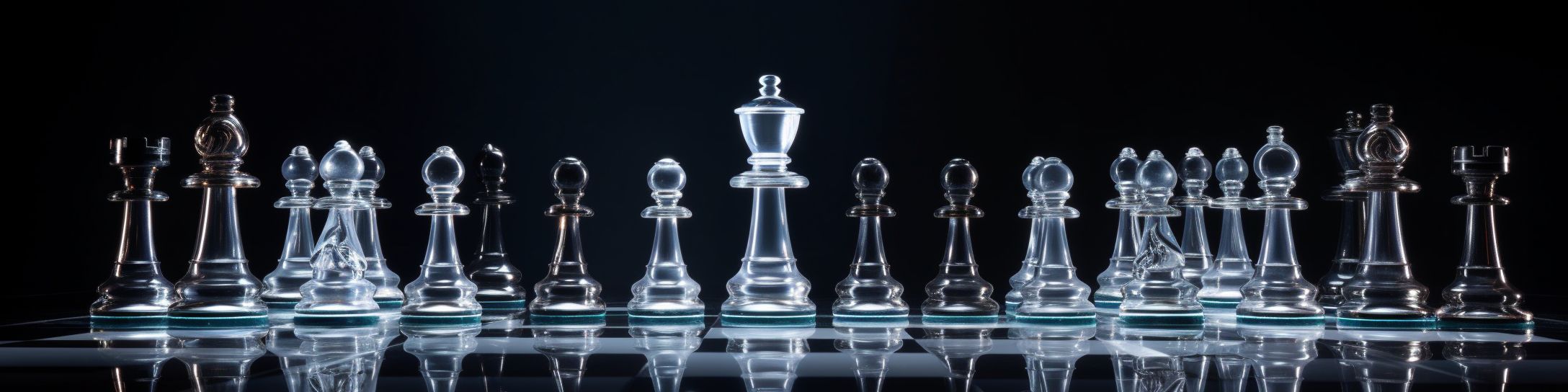
Why choose a glass chess set?
While wood is undeniably a traditional and precious material, glass is emerging as a modern alternative offering a range of unique advantages. Get ready to discover why you should consider glass for your next chess set purchase.
Contemporary aesthetics
Built around a modern and minimalist aesthetic, glass chess sets captivate with their ability to blend elegance and simplicity. These sets, with their distinctly contemporary feel, harmonize perfectly in a modern setting while marking a departure from more classic styles. The glass captures and reflects light, transforming your chess set into a true work of art that stands out with every game.
Impressive longevity
Contrary to popular belief, a glass chess set is incredibly durable and can last for decades if properly cared for. In fact, glass offers a resistance to water and humidity that wood cannot match. Furthermore, with proper cleaning and care, the brilliance of your glass chessboard and pieces can be preserved for years to come.
Diversity of styles and colors
Glass offers a variety of beautiful styles, from simple transparent chessboards to colorful versions and intricately detailed pieces. Furthermore, a glass chess set allows for a variety of colors and scales, letting you personalize your game to make it as unique as you wish.
Ease of maintenance
Maintaining a glass chess set is considerably easier compared to a wooden one. A soft cloth and a non-abrasive cleaner are all you need to restore the shine to the glass pieces. This gives you more time to enjoy your game and less to worry about maintenance.
Decades after the first chess sets appeared, glass has found its place, offering a cutting-edge alternative. As attractive as they are addictive, glass chess sets are much more than just games; they are true jewels at the heart of your home.
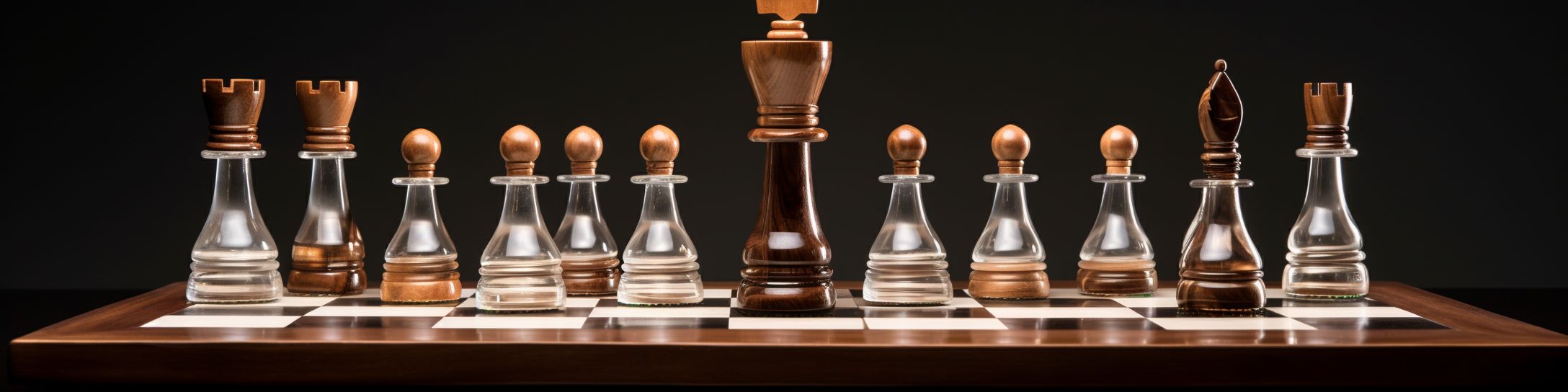
The fusion of tradition and modernity: the mixed wood-glass chess set
In this wave of innovation, the game of chess is also reinventing itself, fusing traditional materials like wood with contemporary materials like glass. This combination creates an expressive harmony between the old and the new, generating a chess set that is not only functional but also aesthetically pleasing.
Appreciation of the aesthetic beauty of mixed play
A mixed wood and glass chess set offers great visual appeal. The wooden pieces provide the warmth and rich color characteristic of the material, while the glass board lends a sophisticated and modernist design. The combination of these two materials creates a unique dynamic, celebrating the art of chess in a new light.
Robustness and durability: The best of both worlds
The mixed chess set offers the advantage of durability. The wood, known for its robustness, ensures that the pieces retain their shape and appearance for a long time, while the glass is resistant and durable, guaranteeing that the game board remains intact and attractive even after many games.
The satisfaction of playing
In terms of gameplay, these chessboards offer an excellent experience. The wooden pieces are often weighted and balanced for precise control, while the smooth surface of the glass board allows for fluid movement. Furthermore, unlike a board made entirely of glass or wood, the contrast in materials makes the game more visually appealing and easier to play.
The choice for diversity
Choosing a mixed wood and glass chess set also means opting for diversity. No two sets are identical, as each material has its own unique characteristics. Whether made of ebony, oak, or pine, each set will be distinct, giving you the opportunity to own a truly one-of-a-kind chess set.
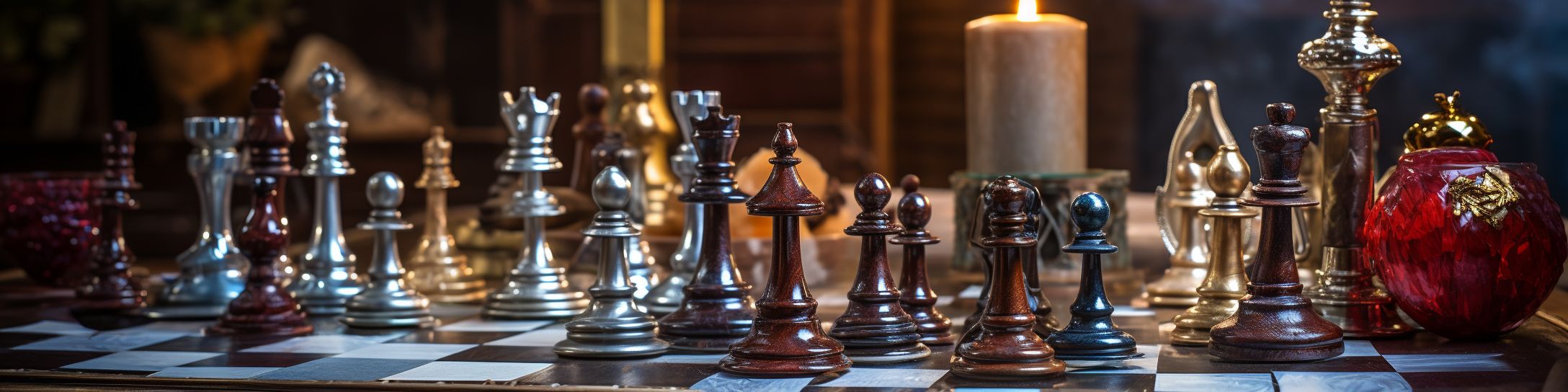
Other popular materials for chess sets
Beyond wood and glass, other materials are also available to give your chess set a personalized touch. Unique in its kind, each material has its own characteristics and advantages.
Marble chessboards: Luxury and elegance
One of the most luxurious choices for a chessboard is marble. It's a robust material that gives the board considerable weight, lending it a noble and imposing appearance. Its smooth, glossy surface offers a striking contrast with the chess pieces, making marble an attractive choice for those seeking to combine tradition, luxury, and elegance.
Metal chess sets: Durability and modern style
Metal chess sets, on the other hand, combine durability and modern style. Metal is a strong material that can withstand the test of time. Often, metal chessboards are paired with metal pieces, creating a harmonious and sophisticated set that stands out for its contemporary design.
Plastic chessboards: Practical for travel
Finally, let's also mention plastic chessboards. These are particularly practical for those who want to be able to easily transport their chess set. Lightweight and durable, they are well-suited for games on the go or outdoors. However, they don't offer the same feeling of quality and luxury as materials such as wood, glass, or marble.
In conclusion, the choice of material for your chess set will depend on your personal taste, its intended use, and of course, your budget. Whether made of wood, glass, marble, metal, or plastic, each set has its own unique character, making every game of chess a special experience.
After learning about the different materials used to make chess sets, you might be wondering what size to choose for your own. Look no further! Read our guide on how to choose the ideal size for your chess set and find the perfect balance between aesthetics and functionality.
How to care for your chess set depending on the material
To ensure the longevity of your chess set, maintenance is essential. Each material has its own characteristics, and the way you should clean and care for it also varies.
Maintenance of chessboards and wooden pieces
Wooden chess sets require special care. Avoid exposure to humidity and extreme temperatures to preserve the wood. Cleaning can be done with a soft, dry cloth. For deeper care, the use of a specific wood wax is recommended to protect, nourish, and restore the shine to your pieces and chessboard.
Maintenance of chessboards and glass pieces
Glass chessboards and pieces, while sturdy, can be susceptible to scratches and impacts. Handle them with care. For cleaning, a slightly damp microfiber cloth is usually sufficient to remove fingerprints and dust. Avoid abrasive products that could scratch the glass surface.
Maintenance of mixed wood and glass chess sets
For mixed wood-glass chess sets, maintenance will depend on the material composition. Ideally, follow the maintenance instructions for each material separately, taking care not to use products that could damage the other material. For example, do not use wood wax on the glass parts.

Tips for choosing the material for your chess set
Faced with the wide range of materials available for your future chess set, you might feel a little overwhelmed. But don't worry, we're here to help you make the right choice.
Consider your budget
Some materials, like precious wood or crystal , can be relatively expensive. Chess sets made of plastic or resin , on the other hand, will be more affordable. Considering your budget before you start looking for the material for your chess set will help you narrow down your options.
Consider the aesthetics.
Do you prefer an elegant, traditional look, or a more modern, contemporary style? Wood offers a classic and warm feel, while glass provides a sleek, modern appearance. It's important to consider your personal aesthetic preferences when selecting the material.
Think about sustainability
Durability is another factor to consider. Sturdy materials like wood or marble have a longer lifespan compared to less durable materials like plastic. Think about how you plan to use your chess set to determine which material would be the most durable.
Evaluate the weight and handling of the parts
The weight and handling of the pieces can greatly affect your enjoyment of the game. Heavier sets made of wood or marble offer a more substantial feel, while those made of glass or plastic will be lighter and easier to handle. Take a few moments to consider the feel you would like to have with your chess pieces.
In short, the choice of material for your chess set depends on many factors and ultimately comes down to personal preference. By taking some time to think about what you truly want, you can find the perfect chess set for you.
Now that you've explored the depths of the materials, why not return to our main guide on Which Chess Set to Buy? for a comprehensive overview of purchasing the ideal chess set.